
Burkina Faso Border Closure Triggers Cow Meat Shortage in Ghana, Kumasi Abattoir Chief Warns

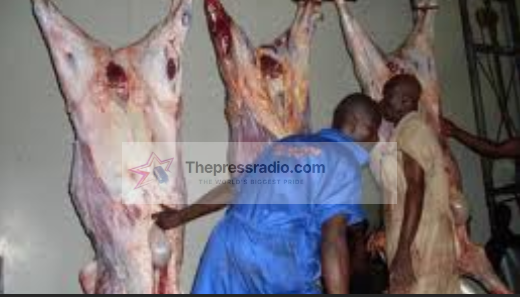
The continued closure of the Burkina Faso border has disrupted cattle supplies to Ghana, creating a shortage of cow meat and raising concerns about possible price increases ahead of the Christmas festivities.
Alhaji Ibrahim Wahab Tikumah, the National Vice Chief and Ashanti Regional Chief Butcher at the Kumasi Abattoir, has warned that the situation is putting pressure on butchers and threatening the availability of beef in markets across the country.
According to him, Burkina Faso has traditionally been one of Ghana’s major sources of cattle, but the border situation has affected the movement of livestock into the country.
He disclosed that Ghana had not received cattle from Burkina Faso for several months, leaving traders with fewer animals to supply abattoirs and meat sellers.
Tikumah explained that Ghana relies heavily on neighbouring countries for its cattle supply, with a significant proportion of the cow meat consumed locally coming from outside the country.
He estimated that approximately 70 per cent of the cow meat consumed in Ghana comes from neighbouring countries, making the country particularly vulnerable to disruptions in cross-border livestock trade.
The Kumasi Abattoir, which supplies beef to the Ashanti Region and other parts of Ghana, is among the facilities reportedly affected by the reduced supply.
The shortage has made it increasingly difficult for butchers to obtain enough cattle to meet the demands of their customers. With fewer animals available, traders are concerned that the situation could worsen if alternative sources of supply are not secured.
Tikumah warned that the problem could become more serious as the Christmas season approaches, a period when demand for meat traditionally increases because of celebrations and family gatherings.
He expressed concern that continued shortages could result in higher beef prices, making it difficult for ordinary households to afford the product.
According to him, the rising cost of sourcing cattle could place additional financial pressure on butchers, who may be forced to increase their selling prices to remain in business.
He also warned that some traders could struggle to sustain their businesses if the supply situation does not improve.
The Kumasi Abattoir chief butcher therefore appealed to the Ghanaian government to intervene diplomatically by engaging Burkina Faso’s leadership to address the situation.
He urged the government to explore ways of restoring the movement of cattle across the border, stressing that the resumption of livestock supplies would help ease the pressure on Ghana’s meat market.
The appeal comes amid Ghana’s longstanding dependence on livestock imports from countries within the Sahel region, particularly Burkina Faso, Mali and Niger.
Research on cattle supplies to the Kumasi Abattoir has previously highlighted the importance of these neighbouring countries to Ghana’s livestock trade. A 2024 study found that 36 per cent of the cattle covered in its survey originated from Burkina Faso.
The findings underline the importance of cross-border trade to the country’s meat supply chain and the potential consequences when movement between major livestock-producing countries and Ghana is disrupted.
For butchers and consumers, the immediate concern is whether cattle supplies can improve before the Christmas period.
If the disruption continues, traders fear that the shortage could place further pressure on meat prices and reduce the ability of households to purchase beef during the festive season.
The situation has therefore renewed calls for diplomatic engagement and practical measures to protect Ghana’s livestock supply chain and the livelihoods of traders who depend on the cattle business.
Source: Thepressradio.com