

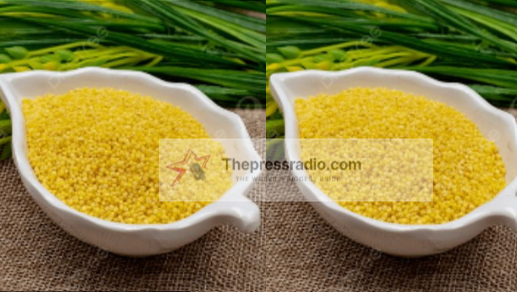
Millet is an ancient cereal grain that has been consumed for generations in different parts of the world, including Africa and Asia. Although it may not receive as much attention as rice, maize or wheat, millet is packed with nutrients that can make it a valuable addition to a balanced diet.
The grain can be prepared in several ways and used in meals such as porridge, baked foods and other dishes. Here are five reasons why adding millet to your regular meals may be beneficial.
1. It is rich in dietary fibre
Millet contains dietary fibre, which plays an important role in supporting healthy digestion. Adequate fibre intake can help promote regular bowel movements and contribute to overall digestive health.
Fibre can also help people feel satisfied after eating, making fibre-rich foods useful as part of balanced meals.
2. It provides important nutrients
Millet contains a range of vitamins and minerals that contribute to normal body functions. Depending on the variety, it can provide nutrients such as magnesium, phosphorus, iron and B vitamins.
These nutrients play different roles in the body, including supporting energy metabolism, normal nerve function and the maintenance of healthy bones and blood cells.
3. It is naturally gluten-free
Millet is naturally gluten-free, making it an option for people who need to avoid gluten because of conditions such as coeliac disease or gluten sensitivity.
However, people who must strictly avoid gluten should check how millet is processed and prepared, since cross-contamination can occur when grains are handled alongside wheat and other gluten-containing cereals.
4. It may support healthy blood-sugar management
Millet generally provides carbohydrates alongside fibre and other nutrients. Some millet varieties and preparations may have a relatively lower impact on blood glucose than highly refined grain products.
Replacing some refined grain foods with whole grains such as millet can therefore be part of an overall healthy eating pattern. However, millet is still a carbohydrate-containing food, so portion sizes and the overall meal remain important, particularly for people managing diabetes.
5. It is versatile and easy to include in meals
Another advantage of millet is its versatility. It can be cooked into porridge, served as a grain alongside vegetables and protein, or incorporated into a variety of recipes.
Its versatility makes it possible to include the grain in different meals without having to make major changes to one’s diet.
Millet can therefore be a useful addition to a varied and balanced eating pattern. Like other whole grains, its benefits are best considered as part of an overall diet that includes vegetables, fruits, legumes, protein sources and healthy fats.
While millet offers several nutritional benefits, no single food provides every nutrient the body needs. People with specific medical conditions or dietary requirements should also seek advice from a qualified healthcare professional or registered dietitian before making major changes to their diet.
For most people, however, incorporating a variety of whole grains, including millet, can contribute to a nutritious and balanced diet.
Source: Thepressradio.com