
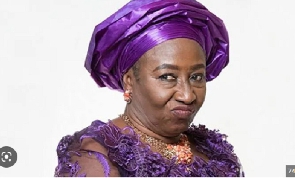
Veteran Nigerian actress Patience Ozokwo, popularly known as Mama G, has explained why she has frequently been cast in witch and other villainous roles throughout her long and successful Nollywood career.
Ozokwo has become one of the most recognisable faces in African cinema, particularly for portraying characters that audiences love to hate. Over the years, she has played wicked mothers, troublesome mothers-in-law and frightening female characters, including witches who use supernatural powers to torment other characters.
Her ability to convincingly portray such characters has contributed significantly to her reputation as one of Nollywood’s most versatile and memorable actresses. In fact, her name has become closely associated with the stereotypical wicked woman in Nigerian movies.
However, Ozokwo’s portrayal of evil characters should not be mistaken for a reflection of her personality. Like other professional actors, she approaches such roles as part of her work and uses acting to bring fictional characters and stories to life.
The veteran actress has previously indicated that playing evil characters can serve a broader purpose. Rather than simply entertaining audiences with frightening or wicked personalities, such roles can mirror behaviours and situations that exist in society.
For Ozokwo, portraying a witch or an evil woman on screen can therefore be seen as an opportunity to depict some of the negative aspects of human behaviour. Through such characters, filmmakers can explore issues such as jealousy, greed, betrayal, manipulation and abuse of power.
Her success in these roles has also demonstrated her strength as an actress. According to reports about stereotyped Nollywood roles, Ozokwo became particularly famous for playing wicked mothers, wives and mothers-in-law, with audiences recognising her ability to convincingly portray intimidating and manipulative characters.
Despite being strongly associated with villainous roles, Ozokwo’s career extends beyond playing witches and wicked women. She has taken on a variety of characters during her decades in the Nigerian film industry, establishing herself as one of the country’s respected veteran performers.
The repeated casting of certain actors in particular character types is, however, a long-standing feature of Nollywood. Actors often become associated with roles that they perform exceptionally well, leading producers and directors to repeatedly select them for similar characters.
Ozokwo’s case is one of the most notable examples. Her distinctive acting style and ability to make audiences believe in the characters she portrays have made her a natural choice for dramatic and villainous roles.
Her portrayal of witches has also contributed to the popularity of supernatural storylines in Nollywood. Nigerian films have historically used witches, traditional spiritualists and other supernatural characters to tell stories about family conflicts, power, wealth, jealousy and revenge.
For audiences, the effectiveness of such characters often depends on the actor’s ability to make the fictional world believable. Ozokwo has consistently demonstrated that ability, which may explain why filmmakers continue to trust her with challenging roles.
At the same time, the actress has shown that being famous for playing evil characters does not limit an actor’s range. Her career remains an example of how a performer can turn a particular character type into a defining part of their professional identity while still maintaining a lasting presence in the industry.
Patience Ozokwo’s explanation ultimately highlights an important aspect of acting: a character on screen is not necessarily a reflection of the person portraying it. For her, playing a witch or wicked woman is part of interpreting a story and presenting fictional characters in a way that connects with viewers.
With her decades-long contribution to Nollywood, Mama G remains one of the industry’s most recognisable veterans. Her memorable performances, particularly in villainous roles, have secured her a unique place in the history of Nigerian cinema.
𝐕𝐈𝐃𝐄𝐎: 𝐖𝐡𝐲 𝐈 𝐎𝐟𝐭𝐞𝐧 𝐏𝐥𝐚𝐲 𝐖𝐢𝐭𝐜𝐡 𝐑𝐨𝐥𝐞𝐬 𝐈𝐧 𝐌𝐨𝐯𝐢𝐞𝐬 — 𝐏𝐚𝐭𝐢𝐞𝐧𝐜𝐞 𝐎𝐳𝐨𝐤𝐰𝐨𝐫
Credit: Carterefe
—
Follow us for more breaking news and videos pic.twitter.com/CZWtFzkKEv— Punch Newspapers (@MobilePunch) August 11, 2026
Source: Thepressradio.com