
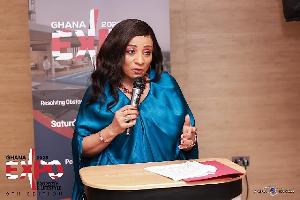
Ghana’s High Commissioner to the United Kingdom, Sabah Zita Benson, has spoken about concerns surrounding the administration and cost of government-funded scholarships for Ghanaians studying in the UK.
Her comments come amid growing public discussion about Ghana’s scholarship arrangements and the financial commitments associated with supporting beneficiaries abroad.
According to a GhanaWeb report, the High Commissioner highlighted the extent of financial support that had been provided to some scholarship beneficiaries, using the phrase “We were paying for their entire families” to illustrate the scale of the expenditure being discussed.
The remarks have added another dimension to the ongoing debate over how public funds allocated for scholarships should be managed and monitored.
Government-funded scholarships are generally intended to provide qualified Ghanaians with opportunities to pursue further education and acquire skills that can contribute to national development. Such programmes can be particularly valuable when they provide access to specialised courses and institutions that may not be readily available locally.
However, the financial obligations associated with sending students overseas can be substantial. Beyond tuition fees, scholarship arrangements can involve allowances and other forms of support, making effective financial controls important to ensure that public resources are used appropriately.
The High Commissioner’s comments have therefore drawn attention to the need for greater clarity regarding the terms and conditions attached to government-sponsored scholarships.
The controversy also raises broader questions about transparency in the selection of beneficiaries and the monitoring of scholarship expenditure. When public money is involved, citizens naturally expect clear systems to determine who qualifies for assistance and what expenses are covered.
A transparent scholarship system can help ensure that opportunities are distributed fairly among qualified applicants while also protecting government resources.
The issue is particularly significant because Ghana continues to face competing demands for limited public resources. Investment in education remains important, but authorities must also demonstrate that expenditure on overseas scholarships delivers value and contributes meaningfully to the country’s development.
The comments from the High Commissioner are likely to fuel further discussion about the management of Ghanaian scholars in the United Kingdom and whether existing arrangements need to be reviewed.
The debate also provides an opportunity for policymakers to examine how scholarship programmes can be strengthened, including through clearer eligibility requirements, appropriate allowances, regular monitoring and accountability measures.
For prospective scholarship applicants, the controversy may also reinforce the importance of understanding the precise terms of any government-funded scholarship before accepting an award.
While international education can provide significant benefits to Ghanaian professionals and institutions, the sustainability of such programmes depends on responsible financial management.
As discussions surrounding the scholarship arrangements continue, further clarification from the relevant government agencies could help address questions about the number of beneficiaries, the nature of the support provided and the overall cost to the state.
The controversy ultimately highlights the importance of ensuring that public scholarship programmes remain focused on their core objective: providing deserving Ghanaians with educational opportunities while safeguarding taxpayers’ money.
“During the previous administration, I have files of people who brought their spouses and children to the UK after being awarded scholarships. Some brought as many as four or five children, in addition to their spouses. It’s insane. They didn’t go there simply to study.
– H.E.… pic.twitter.com/pZjsw5dSrk
— #TV3GH (@tv3_ghana) August 13, 2026
Source: Thepressradio.com