
Authorities in Ceuta, the Spanish territory on the North African coast, have begun burying migrants who died during a deadly mass attempt to cross from Morocco into the enclave.
The burials began weeks after tens of thousands of people attempted to enter Ceuta during a major border crisis. More than 72,000 migrants crossed into the territory on July 30, according to authorities, while more than 90 people were reported to have died during the crisis.
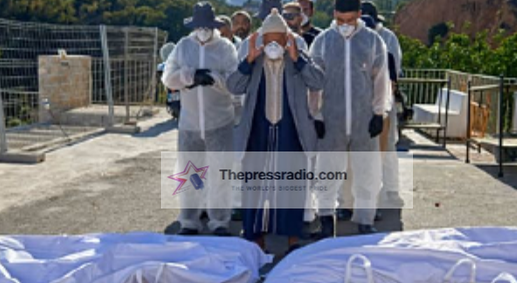
At a Muslim cemetery in Ceuta, the first group of unidentified migrants was laid to rest as authorities moved to deal with the large number of bodies that remained unclaimed. Islamic burial rites were observed, with prayers conducted before the bodies were placed in graves.
The graves have been marked with numbered stones rather than names because many of the deceased have not yet been formally identified. Authorities say the numbering system will make it possible to locate the graves if relatives are later able to establish the identities of the victims and seek their repatriation.
The identification process has proven difficult. Authorities have been using fingerprints and DNA comparisons in an effort to establish the identities of those who died. However, only a small number of victims had been identified at the time the burials began.
According to reports, six of the deceased had been identified, all of them Moroccan adult men. Officials have said that difficulties faced by relatives trying to cross the border into Ceuta to provide DNA samples have contributed to delays in the identification process.
Families Continue to Seek Answers
The deaths have left families across Morocco searching for information about relatives who remain missing following the border rush.
Many relatives have turned to social media and official channels in an attempt to establish whether their loved ones were among those who died. The lack of identification has made the process particularly painful for families who are still waiting for confirmation.
Human rights organisations have also expressed concern about the burial process. The Moroccan Association for Human Rights has called for efforts to identify the bodies and return them to their families before burials take place.
The organisation argued that families should have the opportunity to recover the remains of their relatives and bury them according to their wishes.
Deadly Migration Crisis
The mass crossing created one of the most serious migration crises involving Ceuta in recent years. The rush was reportedly fuelled by misinformation, economic hardship and a lack of opportunities, with thousands of people hoping to reach Spanish territory and ultimately gain access to Europe.
Many migrants attempted to reach Ceuta through the sea or by crossing a breakwater near the border. Some of the deaths occurred as people drowned, while others were linked to the crush during the attempt to cross.
The crisis has continued to create challenges for Ceuta, with thousands of migrants still in the territory weeks after the mass crossing. Local authorities have faced pressure to provide shelter and other essential services while determining the status of those who remain.
The burials therefore mark another stage in the aftermath of the tragedy. While authorities work to identify the deceased, families and rights groups continue to call for greater efforts to establish the identities of the victims and ensure that their remains can eventually be returned to their loved ones.
The numbered graves are intended to preserve that possibility, allowing authorities to trace the burial locations if identification is completed in the future.
Source: Thepressradio.com