

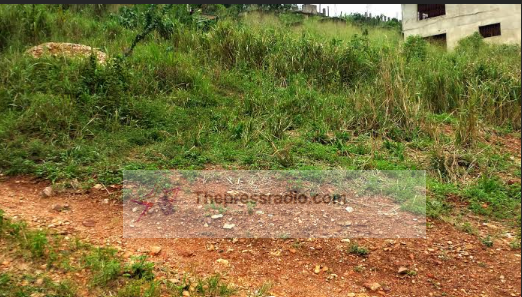
Buying land in Ghana can be a major investment, but prospective property owners risk losing their money if they fail to verify ownership, investigate the property’s legal status and confirm that the seller has the authority to transfer it. The Lands Commission has outlined important checks buyers should undertake before committing funds to a land transaction.
Land disputes, fraudulent documents and multiple sales of the same property remain concerns for people seeking to acquire land. Conducting proper due diligence before payment can help buyers identify potential problems and reduce the risk of lengthy legal disputes.
The first step is to conduct an official search at the Lands Commission. Prospective buyers should submit the relevant site plan and request information about the property’s registered ownership, location and legal status. The search can help establish whether the seller’s claims correspond with the available land records and whether there are registered interests that could affect the transaction.
Second, buyers must verify the identity of the seller and establish that the person has the legal authority to sell the property. Where land is offered by a family, traditional authority, company or representative, buyers should confirm that the appropriate people have authorised the transaction. Dealing with an individual who cannot demonstrate the right to sell can expose a purchaser to competing claims.
Third, prospective buyers should inspect the land in person before making payment. A physical visit allows them to confirm the property’s location, assess its condition and compare what they see with the description provided by the seller. Buyers should also establish whether the land is occupied or being used by another person.
Fourth, the site plan and boundaries must be checked carefully. A qualified surveyor can help establish the plot’s position, dimensions and boundaries and determine whether the land being offered matches the documents presented. This is particularly important where neighbouring plots are close together or boundaries are disputed.
Fifth, buyers should investigate whether the land is subject to an existing dispute, competing ownership claim or previous transaction. They should not rely solely on assurances from the seller or information provided by an intermediary. An official search, combined with appropriate legal checks, can help reveal issues that might otherwise remain undiscovered until after payment.
Sixth, all relevant ownership and transfer documents should be examined. These may include the seller’s proof of title, an indenture or other transfer documents and supporting records appropriate to the type of land involved. A property lawyer can help determine whether the documents are genuine, properly executed and sufficient to support the proposed transaction.
Seventh, buyers should establish whether the land is state-owned, vested land or subject to restrictions that affect its sale or transfer. Different categories of land may involve different legal requirements and approvals. Confirming the property’s status before paying can help prevent a buyer from entering into an invalid or incomplete transaction.
Eighth, prospective purchasers should avoid paying the full purchase price before completing the necessary checks. They should obtain professional legal advice, ensure that the transaction is properly documented and use a secure payment process that provides evidence of the amount paid and the terms agreed upon.
The Lands Commission has also made online services available for certain land-search processes, allowing applicants to submit relevant information, pay applicable fees and obtain search reports through its digital platforms. Buyers should confirm the appropriate procedure for the location and type of property they intend to acquire.
Although land purchases can offer opportunities for homeownership, farming and property development, buyers should not allow pressure from sellers or attractive prices to replace proper verification. Independent searches, professional advice and careful examination of documents can help protect their investment.
Ultimately, the most important precaution is to establish the legal status of the land and the seller’s authority before handing over money. Taking time to complete these checks can help buyers make informed decisions and avoid preventable financial losses.
Source: Thepressradio.com