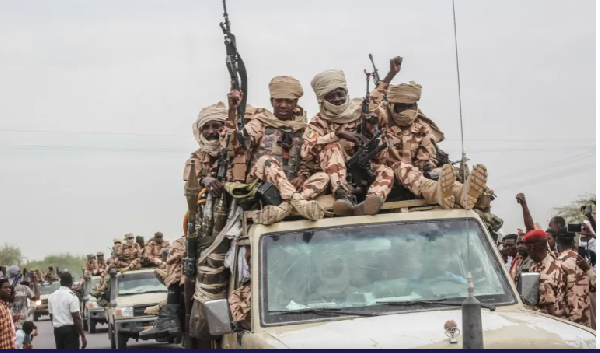
The military authorities in Guinea‑Bissau have imposed a ban on public protests and strikes, intensifying concerns over civil liberties in the country. The move comes ahead of an official visit by the Economic Community of West African States (ECOWAS), which is scheduled to engage with the West African nation on political and security matters.
According to reports, the junta has restricted citizens’ rights to assemble or stage strikes, citing “security and stability” as the rationale during the high-profile visit. Observers note that the ban comes at a time when political and social tensions are already high, raising questions about the motives behind the decision.
Critics have condemned the restrictions, arguing that they infringe on fundamental rights such as freedom of expression and peaceful assembly. Human rights advocates warn that limiting public demonstrations under the pretext of a regional visit sets a dangerous precedent, suggesting that civil liberties can be suspended whenever political authorities face scrutiny.
Supporters of the ban within the military leadership defend the measure, claiming that it is necessary to prevent unrest and ensure the safety of both visiting ECOWAS officials and local citizens. They argue that maintaining order during such diplomatic visits is critical for Guinea‑Bissau’s image and regional relations.
However, the move has drawn international attention, with observers urging the junta to respect democratic principles while maintaining security. Many hope that ECOWAS will address issues of civil rights and political freedoms during its visit, emphasizing that genuine stability cannot be achieved by suppressing dissent.
Guinea‑Bissau has experienced political instability in recent years, including coups and contested leadership transitions. In this context, the military’s decision to ban protests highlights the ongoing struggle between maintaining order and safeguarding citizens’ rights.
As the ECOWAS delegation arrives, all eyes will be on how the country balances security concerns with democratic freedoms. Analysts suggest that the visit could be an opportunity for dialogue and reform — provided the government allows citizens to express themselves without fear of reprisal.
The coming days will reveal whether the military leadership can navigate this delicate situation, ensuring both a peaceful diplomatic visit and the protection of basic human rights for its population.
Source: Thepressradio.com