

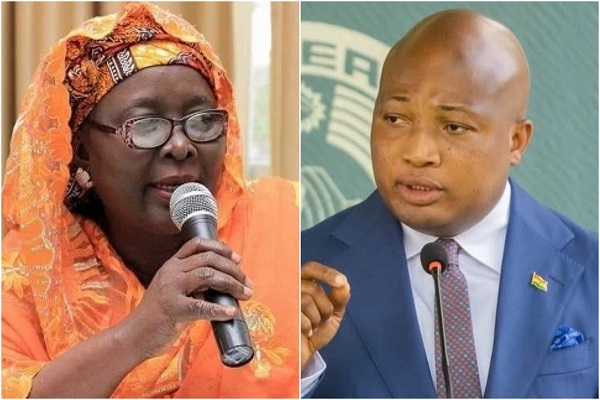
A forensic audit has reportedly raised questions about the operations of Ghana’s Embassy in Washington, D.C., with former Minister for Local Government and Rural Development Alima Mahama reportedly named in connection with an alleged US$19.3 million financial scandal.
The findings have sparked renewed attention on the management of Ghana’s diplomatic missions abroad and the handling of funds generated through consular services, including visa and passport-related transactions.
According to reports surrounding the forensic audit, millions of dollars were allegedly collected through irregular charges imposed on applicants seeking consular services at Ghana’s embassy in the United States.
The reported figure of US$19.3 million has become the centre of the controversy, with questions being raised about how the money was collected, accounted for and ultimately handled.
Alima Mahama, who previously served as Ghana’s Ambassador to the United States, has reportedly been implicated in the findings. However, the nature and extent of any responsibility attributed to her would need to be established through the full audit findings and any subsequent investigations by the appropriate authorities.
The allegations have generated significant public interest because of the substantial amount of money involved and the importance of Ghana’s diplomatic mission in Washington.
Ghana’s embassy in the United States provides a range of services to citizens and foreign applicants, including passport and visa-related services. Any alleged irregularities involving such services could therefore have implications for both public confidence and the country’s diplomatic reputation.
The reported forensic investigation is expected to shed light on the financial systems and administrative processes that were in place during the period under review. It could also help authorities determine whether any individuals or officials breached established procedures.
The controversy comes at a time when there is increasing public demand for greater accountability in the management of state resources. Cases involving alleged financial irregularities at public institutions have repeatedly generated calls for stronger oversight, transparency and consequences where wrongdoing is established.
The reported findings are likely to attract further scrutiny from government agencies, civil society organisations and members of the public who will want clarification on how such a significant amount could allegedly be generated and handled without being detected earlier.
It is important to note that being named or mentioned in an audit does not, by itself, establish criminal liability. Any allegations against individuals must be investigated, and those concerned should be given an opportunity to respond to the findings.
Authorities may now face pressure to make the relevant portions of the forensic audit available and explain what steps will be taken based on its findings.
The case could also lead to broader questions about the supervision of Ghanaian diplomatic missions and whether existing financial controls are sufficient to prevent irregular collections and misuse of public or consular funds.
As details of the audit continue to emerge, attention is expected to remain focused on the alleged US$19.3 million figure, the individuals identified in the findings and the response from the government and those named in connection with the matter.
The ultimate responsibility of any individual implicated in the audit will depend on the evidence, the findings of any official investigation and, where applicable, the outcome of legal proceedings.
Source: Thepressradio.com