

Water Crisis Worsens in Teshie-Nungua as Desalination Plant Remains Shut Over Debt Issues
Residents of the Teshie-Nungua enclave in the Greater Accra Region are facing an escalating water crisis following the continued shutdown of the area’s desalination plant, which remains closed due to unresolved financial debts. The prolonged disruption has intensified water shortages in the coastal
Ogyem Solomon
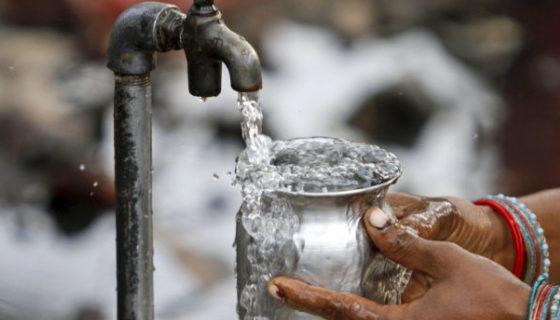
Residents of the Teshie-Nungua enclave in the Greater Accra Region are facing an escalating water crisis following the continued shutdown of the area’s desalination plant, which remains closed due to unresolved financial debts. The prolonged disruption has intensified water shortages in the coastal community, leaving households and businesses struggling to meet basic daily needs.
The desalination plant, which was constructed to supplement water supply in the enclave, has been non-operational for an extended period. Its closure has significantly reduced water availability in an area already known for frequent supply interruptions from the main distribution system. As a result, residents have been forced to depend on alternative sources that are often unreliable and expensive.
Community members say the situation has become unbearable, with many households receiving little to no water for days. Some residents now rely on water tankers and vendors, paying high prices for water that should ordinarily be readily available. Others resort to collecting water from distant locations, increasing the burden on families, particularly women and children.
Local businesses, including food vendors, hair salons, and small-scale enterprises, have also been affected by the water shortage. Many business owners report reduced productivity and increased operational costs, while others have had to suspend operations entirely due to the lack of water. Public health concerns are also rising, as irregular access to clean water poses risks to sanitation and hygiene.
According to information available, the shutdown of the desalination plant is linked to outstanding debts owed by the plant’s operators, though full details regarding the amount owed and payment arrangements have not been publicly disclosed. The unresolved financial issues have prevented the resumption of operations, despite the growing hardship faced by residents.
The desalination facility was originally established as a strategic solution to chronic water shortages in the Teshie-Nungua enclave. Its role was to provide an alternative source of potable water, particularly during periods of low supply from the main water treatment systems. The current situation has therefore raised questions about infrastructure sustainability, financial management, and accountability in the provision of essential public services.
Residents and community leaders are calling on government authorities, water management agencies, and relevant stakeholders to intervene urgently. They are urging the settlement of the outstanding debts or the implementation of alternative arrangements that would allow the plant to resume operations and restore water supply to the area.
Observers note that the crisis highlights broader challenges facing water infrastructure in urban Ghana, where population growth, aging systems, and funding constraints continue to strain water delivery. Without sustainable financial and operational planning, critical facilities such as desalination plants risk becoming liabilities rather than solutions.
As the shutdown persists, pressure is mounting on authorities to provide immediate relief measures, including water tankers and temporary supply systems, while long-term solutions are explored. Residents warn that failure to act promptly could worsen living conditions and increase public health risks in the enclave.
For now, the people of Teshie-Nungua remain hopeful that decisive action will be taken to reopen the desalination plant and restore reliable access to clean water — a basic necessity that continues to elude many in the community.
Source: Thepressradio.com
More Related Articles
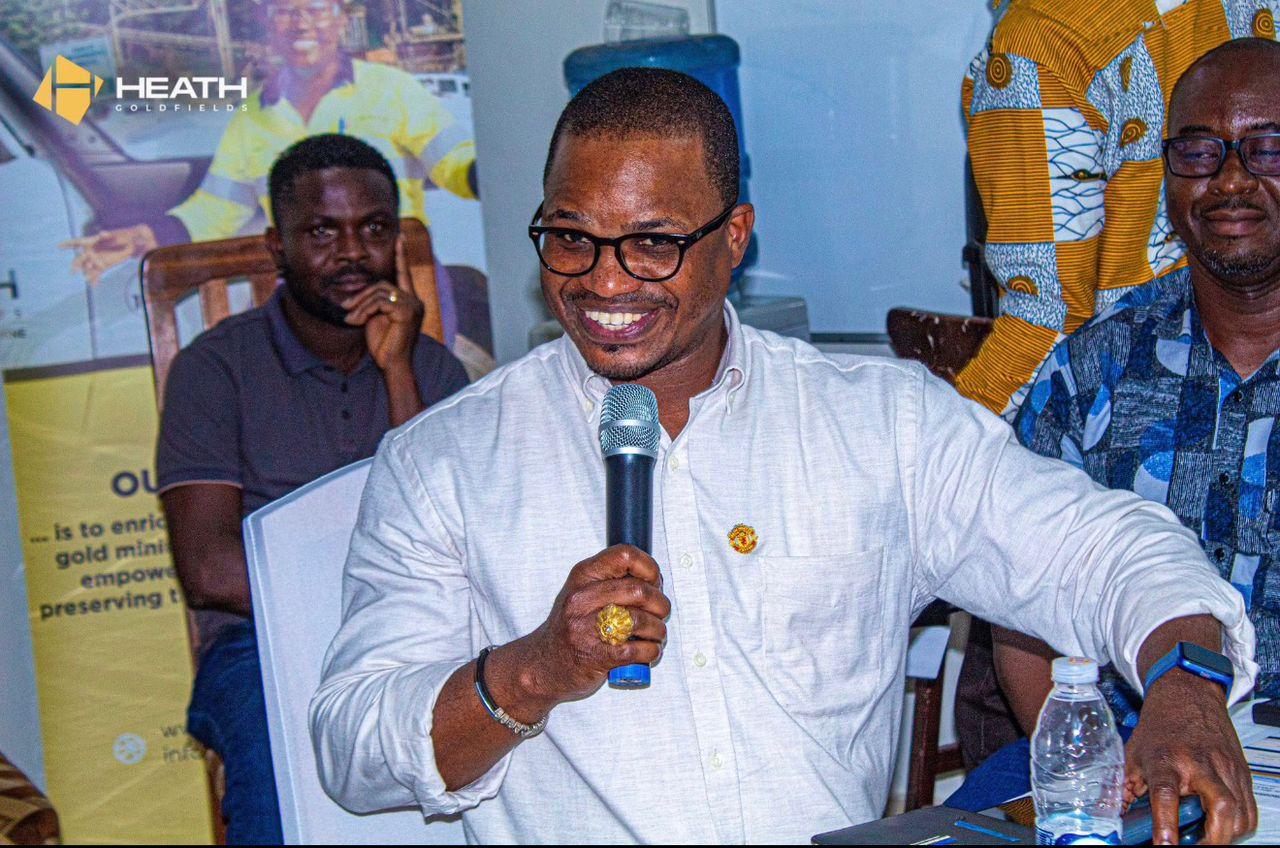
Fake Bogoso Letter Exposed — Mischief-Makers Push False Narrative to Undermine Lawful Operations
Workers of the Bogoso–Prestea Mine concerned about false publications have strongly dismissed a document currently circulating and purported to be a petition from the Divisional Chiefs of the Bogoso–Prestea Traditional Area, describing it as false, misleading, and deliberately staged to deceive the
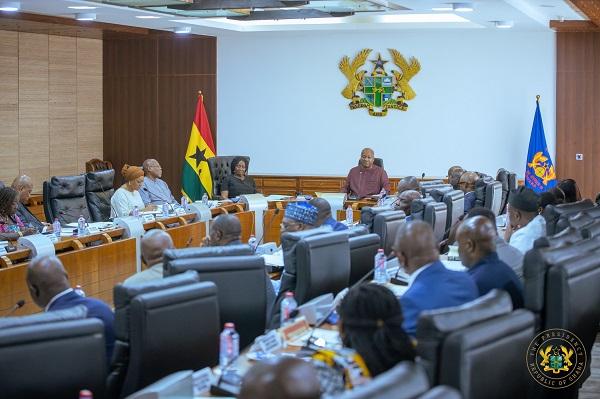
President Mahama Holds Emergency Cabinet Meeting to Address Cocoa Sector Challenges
President John Dramani Mahama has convened an emergency Cabinet meeting to tackle pressing issues affecting Ghana’s cocoa sector, a vital component of the country’s economy and a major source of income for rural farmers. The meeting, scheduled for Wednesday, 11 February 2026, brings together governm
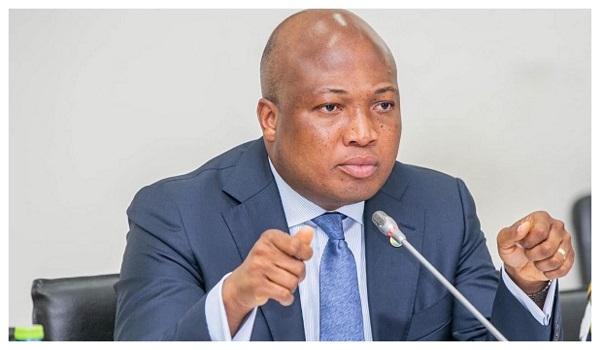
Ablakwa Explains Why Mahama Travelled to Dubai Summit on a Private Jet
Ghana’s President, John Dramani Mahama recently travelled to a global summit in Dubai, sparking public curiosity over his choice to use a private jet. In response, Samuel Okudzeto Ablakwa, former Member of Parliament and current Minister of Foreign Affairs, provided clarification regarding the