

VIDEO: Tension Rises in UK Parliament Over Ghana’s Reparations Push at UN
A renewed call for slavery reparations by Ghana has sparked heated discussions within the UK Parliament, highlighting growing international pressure over historical accountability. The debate follows remarks made by John Dramani Mahama at the United Nations General Assembly, where he advocated for t
Ogyem Solomon
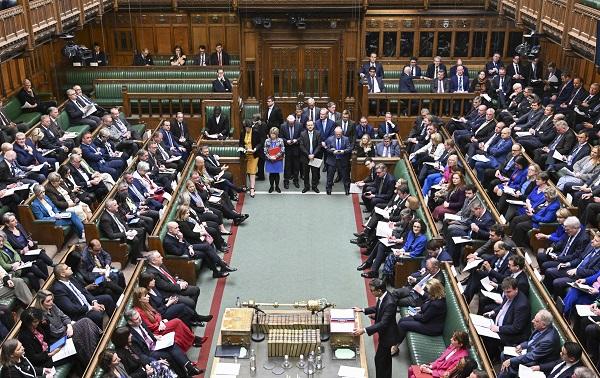
A renewed call for slavery reparations by Ghana has sparked heated discussions within the UK Parliament, highlighting growing international pressure over historical accountability.
The debate follows remarks made by John Dramani Mahama at the United Nations General Assembly, where he advocated for the formal recognition of the transatlantic slave trade as a crime against humanity. His statement forms part of a broader effort by African leaders to push for reparations and justice for the lasting impact of slavery and colonial exploitation.
Mahama’s position has drawn mixed reactions among British lawmakers. While some members of Parliament acknowledged the historical significance of the slave trade and its enduring consequences, others expressed concern over the implications of reparations. Key issues raised include the potential financial burden, legal complexities, and the broader diplomatic impact such demands could have on relations between the United Kingdom and African nations.
The discussions reflect a wider divide on how best to address historical injustices. Some lawmakers argue that reparations could serve as a meaningful step toward justice and reconciliation, while others suggest alternative approaches such as strengthening economic partnerships, investing in development initiatives, or promoting educational programs focused on shared history.
Ghana’s push is part of a growing continental movement, with several African countries and advocacy groups calling for formal acknowledgment, apologies, and compensation from nations that benefited from the transatlantic slave trade. This movement has gained renewed momentum in recent years, bringing the issue back into global conversations on equity and justice.
The tension within Parliament underscores the complexity of the reparations debate. On one hand, there is increasing recognition of the moral responsibility tied to historical events; on the other, there is uncertainty about how such responsibility should be translated into concrete action. The issue raises difficult questions about how to quantify historical harm and determine appropriate forms of redress.
Observers note that the debate is not confined to the United Kingdom. Similar conversations are unfolding across Europe and the Americas, as countries grapple with their roles in the slave trade and its long-term consequences. The renewed focus on reparations reflects shifting global attitudes toward addressing historical inequalities.
Despite differing opinions, Ghana’s advocacy has succeeded in drawing international attention to the issue. By raising the matter at a global forum like the United Nations, African leaders are pushing for a broader, coordinated response that goes beyond national boundaries.
As discussions continue, the path forward remains uncertain. Whether through financial compensation, policy reforms, or symbolic gestures, the debate over reparations is likely to remain a central issue in international relations. For now, the tensions in the UK Parliament highlight just how sensitive and complex the conversation has become, as nations confront the legacy of one of history’s most significant injustices.
Tomorrow, the United Nations will vote on Ghana’s motion to recognise the Transatlantic slave trade as a crime against humanity.
Given Britain’s central role in this crime, a vote against would be a betrayal of every life consumed by enslavement and colonialism. pic.twitter.com/JVm0ChH6fI
— Bell Ribeiro-Addy MP (@BellRibeiroAddy) March 24, 2026
Source: Thepressradio.com
More Related Articles
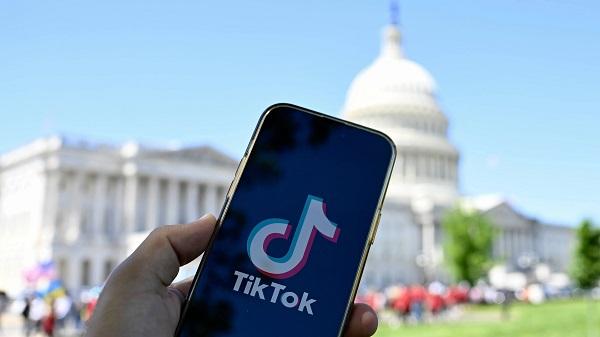
EU Orders TikTok to Change ‘Addictive Design’ or Face Heavy Fines
The European Union (EU) has directed popular social media platform TikTok to urgently modify features of its platform described as having an “addictive design”, warning that failure to comply could result in massive financial penalties under EU digital regulations. EU regulators say certain elements
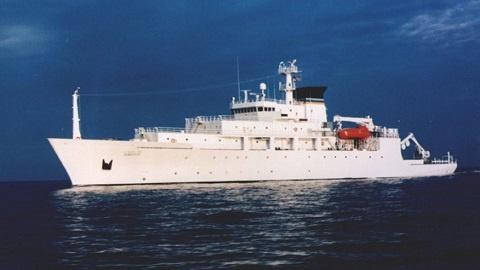
US Military Conducts Airstrikes Against al‑Shabaab in Somalia Following Anti-ISIS Operation in Nigeria
The United States military has carried out airstrikes targeting al‑Shabaab positions in Somalia, following a recent operation against ISIS affiliates in Nigeria after the Christmas period. U.S. Africa Command (AFRICOM) confirmed that the strikes aimed to weaken the extremist group’s capabilities and

Bigo Live Set to Light Up Seoul with Seventh Annual BIGO Awards Gala in 2026
Bigo Live, one of the world’s fastest-growing social live-streaming platforms with more than 600 million registered users across over 150 countries, has announced the seventh edition of its flagship BIGO Awards Gala, scheduled to take place in Seoul in January 2026. Themed “SEOUL LIGHTS, BIGO NIGHTS