

The Ohene Djan Effect: Africa’s Boycott of the 1966 World Cup
The 1966 FIFA World Cup in England is remembered not only for the thrilling matches but also for a significant political and sporting statement made by African nations. Ahead of the tournament, the majority of African countries chose to boycott the qualifiers, a move that would leave a lasting impac
Ogyem Solomon
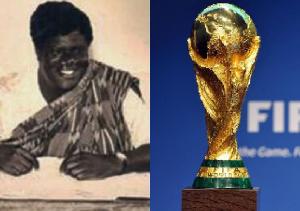
The 1966 FIFA World Cup in England is remembered not only for the thrilling matches but also for a significant political and sporting statement made by African nations. Ahead of the tournament, the majority of African countries chose to boycott the qualifiers, a move that would leave a lasting impact on the global football landscape.
The boycott is often linked to Ohene Djan, the influential Ghanaian football administrator who played a pivotal role in African football at the time. As a leading figure in the Confederation of African Football (CAF), Djan advocated strongly for equitable treatment of African teams on the world stage.
At the heart of the protest was the unfair allocation of World Cup qualifying spots. FIFA had allotted only one spot to 15 countries from Africa, Asia, and Oceania combined, while European and South American teams received far greater representation. African nations argued that this did not reflect the continent’s growing footballing talent and was a clear case of discrimination.
Under Djan’s leadership, African football administrators decided that the continent would withdraw from the 1966 qualifiers unless the system was revised. This was a bold stance, as it meant that many talented African players would miss the chance to compete on the global stage. Yet, the collective decision sent a powerful message about unity and fairness.
The boycott highlighted Africa’s determination to be recognized as an equal participant in international football. It demonstrated the continent’s willingness to take collective action to challenge systemic inequalities, even at the cost of immediate opportunities.
The move drew global attention and increased pressure on FIFA to reconsider its qualification process. While the 1966 World Cup proceeded without African representation, the protest paved the way for change. By the 1970 World Cup, Africa had secured its own guaranteed qualifying spot, marking the beginning of increased representation for the continent in future tournaments.
Today, the legacy of the 1966 boycott is remembered as a defining moment in African football history. It not only highlighted the continent’s talent but also its determination to fight for fair treatment and equal opportunity in the world of sports. Figures like Ohene Djan are credited with shaping this pivotal moment, ensuring that African voices were heard in the global football arena.
Source: Thepressradio.com
More Related Articles

Partey, Kudus, Asare Among Players Tipped for Automatic Places in Ghana’s World Cup Squad
As preparations intensify for the 2026 FIFA World Cup, discussions around Ghana’s national team selection have gained momentum, with several players already being widely tipped as guaranteed members of the Black Stars squad. Based on form, experience, and tactical importance, a core group of players

Celebrating Love: Meet the Wives and Girlfriends of Black Stars Players
As Ghana celebrated the season of love, attention turned to the personal lives of the nation’s football stars. GhanaWeb’s “Month of Love” feature highlighted the wives and girlfriends of Black Stars players, offering fans a glimpse into the relationships and support systems behind some of the countr

CAF Inspection Team kick-off TotalEnergies CAF AFCON Kenya, Uganda, Tanzania 2027
A team of technical experts has been sent by the Confédération Africaine de Football (CAF) to the three Nations that will host the next edition of the TotalEnergies CAF Africa Cup of Nations Kenya, Tanzania and Uganda. The spotlight has now shifted to the three East African countries and this will a