

Supreme Court Dismisses OSP Application in Constitutional Case
The Supreme Court of Ghana has dismissed an application filed by the Office of the Special Prosecutor (OSP) seeking to be joined as a party in an ongoing constitutional case. The ruling marks a significant legal development, clarifying the limits of the OSP’s role in constitutional litigation and re
Ogyem Solomon
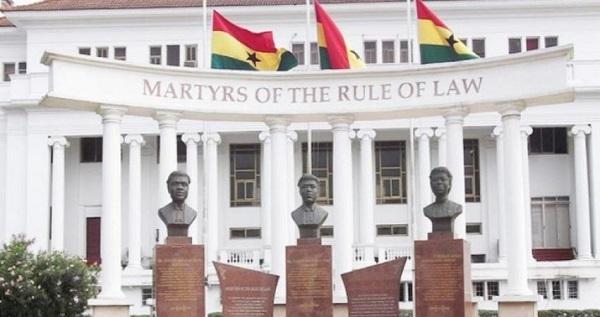
The Supreme Court of Ghana has dismissed an application filed by the Office of the Special Prosecutor (OSP) seeking to be joined as a party in an ongoing constitutional case. The ruling marks a significant legal development, clarifying the limits of the OSP’s role in constitutional litigation and reinforcing judicial procedures governing party participation in court actions.
The application was filed by the OSP in an attempt to become part of a case challenging certain constitutional and legal interpretations. However, the Supreme Court ruled that the request did not meet the legal requirements necessary for joinder, and therefore could not be granted. The court held that the OSP did not demonstrate sufficient legal interest or direct relevance to justify its inclusion as a party in the matter.
In delivering its decision, the court emphasized the importance of strict adherence to constitutional processes and legal standards. It noted that the inclusion of parties in constitutional cases must be based on clear legal interest, relevance, and necessity to the determination of the issues before the court.
The ruling has generated significant public interest, given the high-profile role of the Office of the Special Prosecutor in Ghana’s anti-corruption framework. Established to investigate and prosecute corruption-related offenses, the OSP plays a key role in promoting accountability and transparency in public life. However, the court’s decision highlights that the institution’s mandate does not automatically grant it standing in all constitutional or legal proceedings.
Legal analysts have described the judgment as an important affirmation of judicial independence and procedural fairness. They note that while the OSP remains a critical institution in Ghana’s governance architecture, its involvement in legal proceedings must still conform to established constitutional principles and court rules.
The Supreme Court’s decision also reinforces the separation of powers and the need for clarity in institutional roles within Ghana’s democratic system. By rejecting the application, the court has reaffirmed that legal processes must be guided by law, not institutional influence or public perception.
Observers believe the ruling could shape future interactions between constitutional bodies and the judiciary, setting a precedent on how state institutions engage in constitutional litigation. It also provides guidance on the limits of institutional participation in cases that involve constitutional interpretation.
The dismissal of the application does not affect the substantive constitutional case, which will continue before the Supreme Court with the original parties. The court is expected to proceed with hearing the matter based on the issues already before it.
This decision underscores the judiciary’s role as the final arbiter of constitutional interpretation and reinforces the principle that all institutions, regardless of their mandate or public importance, remain subject to the rule of law and judicial authority.
Source: Thepressradio.com
More Related Articles

Baba Jamal and Others Emerge as Likely Contenders for Late Ayawaso East MP Seat
Following the untimely passing of Naser Toure Mahama, the sitting Member of Parliament for Ayawaso East, discussions have intensified within the National Democratic Congress (NDC) to identify potential candidates to contest the vacant seat. Among the names gaining traction is Baba Jamal, a prominent
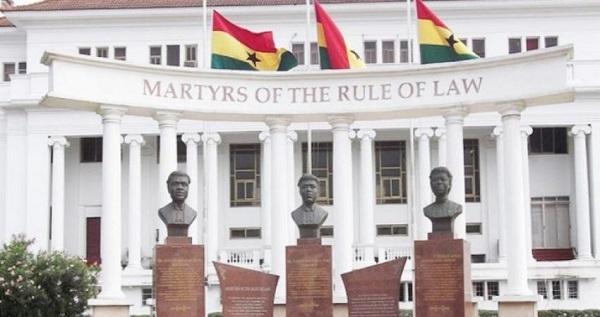
Supreme Court Refuses OSP’s Request to Join Constitutional Challenge
The Supreme Court of Ghana has dismissed an application by the Office of the Special Prosecutor (OSP) seeking to join a lawsuit challenging the constitutionality of its own establishment. The ruling, delivered on Tuesday, January 27, 2026, has generated significant discussion among legal experts, po

MUST WATCH: Apostle Amoako Atta Sparks Controversy Over “Put the Bible Down and Do It” Comment
Apostle Francis Amoako Atta, founder of Parliament Chapel International, has come under public scrutiny following a controversial remark he made in a video that has since gone viral. The clip shows the religious leader telling someone to “put the Bible down and do it” in reference to a “licking” com