

Social Media Reacts as “Copycat” Nigerian Shea Butter Massage Parlour Goes Viral
Social media platforms have been buzzing after videos surfaced online showing a new shea butter–themed massage parlour in Lagos, Nigeria, which many users have described as a “copycat” concept. The videos, which quickly went viral across TikTok, Instagram, and X, sparked widespread debate, curiosity
Ogyem Solomon
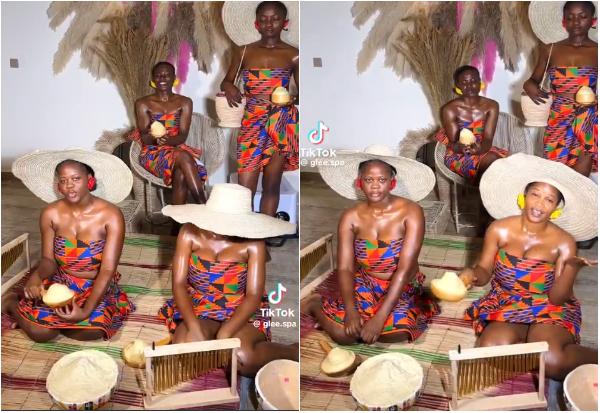
Social media platforms have been buzzing after videos surfaced online showing a new shea butter–themed massage parlour in Lagos, Nigeria, which many users have described as a “copycat” concept. The videos, which quickly went viral across TikTok, Instagram, and X, sparked widespread debate, curiosity, and conversation about originality, entrepreneurship, and cultural branding.
The footage reveals a wellness and massage centre designed around shea butter as its core product and identity. From the branding and décor to the services advertised, the parlour promotes natural shea butter blends as the foundation of its massage and skincare experience. The concept immediately attracted attention online, with viewers expressing surprise, admiration, and skepticism in equal measure.
Many social media users pointed out similarities between the Lagos establishment and other shea butter-based wellness businesses that have gained popularity in West Africa. This led to the “copycat” label, with some critics accusing the business of mimicking an existing idea rather than developing a truly original concept. Others, however, defended the initiative, arguing that innovation often involves adapting existing ideas to new markets and audiences.
Supporters of the business praised the use of shea butter, a natural product deeply rooted in African tradition, as a creative way to promote African wellness culture in modern business spaces. Shea butter, widely produced in West Africa, has long been valued for its moisturising, healing, and skincare benefits, and its integration into spa and massage services was seen by some as a positive step toward commercialising indigenous products in global-standard wellness industries.
At the same time, critics raised concerns about branding, originality, and creative ownership. Some social media users argued that while inspiration is natural in business, entrepreneurs should strive to add unique identity and innovation rather than replicate concepts that already exist. The debate quickly grew beyond the single business, turning into a broader conversation about intellectual creativity, African entrepreneurship, and ethical branding.
The viral reaction highlights how digital platforms now shape public opinion on business ideas. In the past, such ventures might have remained local, but today, a short video can trigger international attention, praise, and criticism within hours. Comment sections became spaces for heated discussion, with users debating whether the focus should be on creativity, economic empowerment, or cultural representation.
Beyond the controversy, the attention has also boosted visibility for shea butter as a wellness product. The renewed interest has reignited conversations about the economic value of traditional African resources and how they can be transformed into modern industries that create jobs and opportunities across the continent.
For some observers, the story reflects a larger trend in African entrepreneurship, where traditional products are increasingly being repositioned within modern business models. Shea butter, once associated mainly with local markets and household use, is now part of international beauty, wellness, and skincare industries. Massage parlours, spas, and cosmetic brands are now integrating it into high-end services and global branding strategies.
Whether viewed as imitation or innovation, the Lagos shea butter massage parlour has undeniably captured public attention. The viral debate has transformed a local business into a regional talking point, demonstrating the power of social media in shaping narratives around entrepreneurship and creativity.
As discussions continue online, one thing is clear: the business has succeeded in putting shea butter back into the spotlight. Whether the attention leads to long-term success or fades with the viral moment, the conversation it has sparked reflects the growing intersection between African culture, digital media, and modern business innovation.
Watch the video below:
Hamamat really paved the way now look at the Nigerians too and their even wearing kente😂 pic.twitter.com/hC2k2skSRB
— 𝔸𝕝 𝕍𝕒𝕣𝕠 𝕏 (@al_varo777) February 17, 2026
Source: Thepressradio.com
More Related Articles
Qualities of Contemporary Leader: Adaptive Thinking, Collaborative Influence and Innovative Leadership
The Young African Leaders Initiative (YALI) is the United States’ signature step to invest in the next generation of African leaders. Since its establishment in 2010 by Obama administration, YALI has offered diverse opportunities, including academic training in leadership, governance skills, o
Tripoli Set to Host Libya’s Premier Energy and Economic Summit
With just days to go, the Libya Energy & Economic Summit (LEES) 2026 is positioning Tripoli as a strategic hub for high-impact energy, infrastructure, and investment partnerships, as the country intensifies efforts to drive economic recovery and production growth. Tripoli, Libya – 19 January 202
Today’s Geopolitics Influencing Africa’s Sustainable Food Sovereignty
In the short term, advocating for food security and debating aspects of adopting import substitution sound as perfect economic measures for Africa. Ensuring economic sovereignty has always been the primary goal since attaining political independence. But, at quick glance, most of these African count