

Rosatom Highlights Nuclear Innovation at Africa Energy Indaba in Cape Town
Representatives of Rosatom participated in the Nuclear Forum held during the Africa Energy Indaba in Cape Town, where discussions focused on infrastructure development, human capital growth, and the localisation of nuclear projects across the African continent. The forum, which took place on March 5
Ogyem Solomon
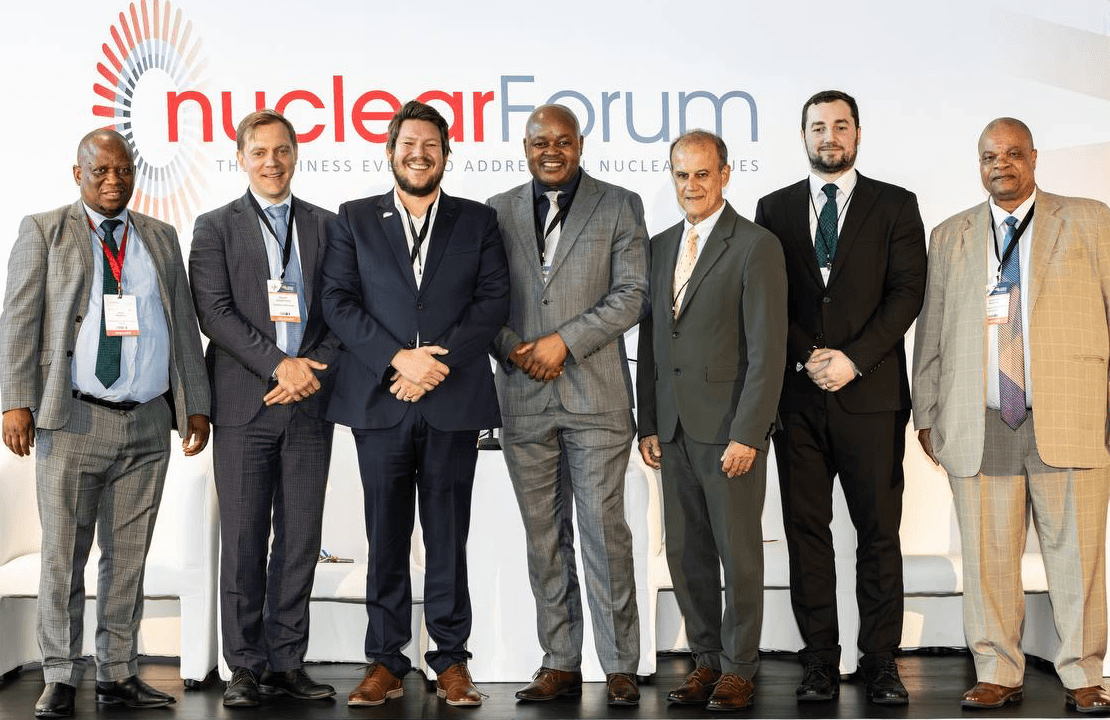
Representatives of Rosatom participated in the Nuclear Forum held during the Africa Energy Indaba in Cape Town, where discussions focused on infrastructure development, human capital growth, and the localisation of nuclear projects across the African continent.
The forum, which took place on March 5, 2026, brought together nuclear industry representatives from several African countries along with leading global nuclear companies and organisations. Participants explored key trends in nuclear technology while sharing practical experiences from major international nuclear projects. Floating Nuclear Technology for Energy-Deficient Regions
During the session, Ryan Collyer, Chief Executive Officer of Rosatom Central and Southern Africa, highlighted the potential of floating power unit (FPU) technology as a solution for regions facing electricity shortages.
He explained that Rosatom’s floating nuclear power plant, Akademik Lomonosov Floating Nuclear Power Plant, currently supplies electricity to remote areas in Russia’s Arctic region and remains the only operational floating nuclear power plant in the world.
According to Collyer, floating power units provide an efficient energy solution for regions with limited infrastructure or land availability.
He noted that FPUs offer advantages such as mobility, scalability, and reliable electricity generation, while requiring minimal land use. In 2024, Rosatom also announced the development of floating power units designed specifically for tropical climates, aimed at addressing the unique energy needs of African countries.
Collyer added that the company’s approach goes beyond supplying technology, as Rosatom also provides training programmes for local personnel to ensure the safe operation and long-term sustainability of nuclear facilities. Focus on Localisation and African Partnerships
The forum also examined the development of large-scale nuclear power projects across Africa, including El Dabaa Nuclear Power Plant, Egypt’s first nuclear power station currently being built by Rosatom.
Murad Aslanov emphasised that localisation is a key element of Rosatom’s nuclear construction strategy.
He explained that the El Dabaa project prioritises the involvement of Egyptian industries while promoting technology transfer, workforce development, and the strengthening of local supply chains.
Aslanov noted that Rosatom aims to create long-term value in partner countries by supporting national competencies and contributing to broader socio-economic development beyond electricity generation. Nuclear Energy’s Role in Africa’s Future
Participants at the forum agreed that nuclear power could play a strategic role in addressing Africa’s growing energy demand.
With many countries facing electricity shortages and seeking low-carbon energy solutions, experts said nuclear technologies offer reliable, long-term power generation capable of supporting industrial development and economic growth.
They added that nuclear energy could also help African nations strengthen energy security while contributing to global climate goals through low-carbon electricity production. Platform for Nuclear Dialogue
The 15th Nuclear Forum at Africa Energy Indaba serves as a key platform for examining global nuclear trends and exploring opportunities for nuclear energy development across Africa.
Discussions at the forum covered topics such as the potential deployment of small modular reactors (SMRs), regulatory frameworks, human capital development, and investment opportunities within African energy markets.
Experts believe that initiatives like the Nuclear Forum provide an important space for collaboration between African governments, industry stakeholders, and international nuclear developers working to expand sustainable energy solutions across the continent.
Source: Thepressradio.com
More Related Articles
Today’s Geopolitics Influencing Africa’s Sustainable Food Sovereignty
In the short term, advocating for food security and debating aspects of adopting import substitution sound as perfect economic measures for Africa. Ensuring economic sovereignty has always been the primary goal since attaining political independence. But, at quick glance, most of these African count

The Rise and Fall of John Steenhuisen: Challenges for South Africa’s Second-Biggest Party Leader
John Steenhuisen, leader of South Africa’s Democratic Alliance (DA), the country’s second-largest political party, has decided not to seek re-election as party leader, following mounting pressure from both internal party factions and public criticism. The decision marks a significant turning point i
Former US Diplomat James Swan Appointed to Lead UN Peacekeeping Mission in DR Congo
The United Nations has appointed seasoned American diplomat James Swan to lead its peacekeeping mission in the Democratic Republic of the Congo. The appointment was announced by António Guterres, who named Swan as his Special Representative and head of the United Nations Organization Stabilization M