

Prophet ElBernard Issues Public Apology After NPP Primary Prediction Fails
Ghanaian religious figure Prophet Bernard ElBernard Nelson‑Eshun has publicly admitted he was wrong after his prediction regarding the New Patriotic Party (NPP) presidential primary did not come to pass. The announcement has sparked widespread discussion about the role of faith leaders in political
Ogyem Solomon

Ghanaian religious figure Prophet Bernard ElBernard Nelson‑Eshun has publicly admitted he was wrong after his prediction regarding the New Patriotic Party (NPP) presidential primary did not come to pass. The announcement has sparked widespread discussion about the role of faith leaders in political discourse and the responsibility that comes with making public prophecies.
ElBernard had previously forecast that Kennedy Ohene Agyapong would emerge as the winner of the NPP internal contest to select its presidential candidate for the upcoming elections. When the actual results contradicted his prediction, many followers and political observers were taken by surprise. The miscalculation prompted both supporters and critics to react strongly online, questioning the reliability of political prophecies made by religious figures.
In a heartfelt post on his social media platforms, Prophet ElBernard acknowledged the error and expressed regret for any confusion his prophecy may have caused. “I was wrong in my prophecy about the NPP primaries,” he wrote, emphasizing that while prophets seek divine guidance, they are not infallible and can make mistakes. He asked for understanding from followers and reiterated that his intentions had always been to inspire hope, not to mislead or influence political outcomes.
Many supporters praised the prophet for demonstrating humility, noting that admitting mistakes is a sign of integrity in leadership. “Even spiritual leaders are human,” commented one follower. “Taking responsibility for an error only strengthens your credibility.” This acknowledgment has been welcomed as a rare example of accountability in a context where public figures are often reluctant to admit mistakes, particularly in politically sensitive situations.
On the other hand, some critics have raised concerns about the blending of religion and politics, arguing that faith-based predictions regarding electoral outcomes can create unrealistic expectations among followers. They suggest that spiritual leaders should focus on moral and ethical guidance rather than making public forecasts about political contests, as such statements can influence perceptions and potentially sway voter opinions.
The incident has reignited conversations in Ghana about the influence of religious leaders in public affairs. Observers note that while faith plays an important role in the lives of many citizens, prophets and pastors must exercise caution when commenting on political matters to avoid misinforming or polarizing communities.
Prophet ElBernard, for his part, has encouraged followers to continue seeking guidance through prayer and reflection, while engaging responsibly in political processes. His apology serves as a reminder that even prominent spiritual figures are subject to human error, and accountability is essential in maintaining trust and respect among congregants and the wider public.
Source: Thepressradio.com
More Related Articles
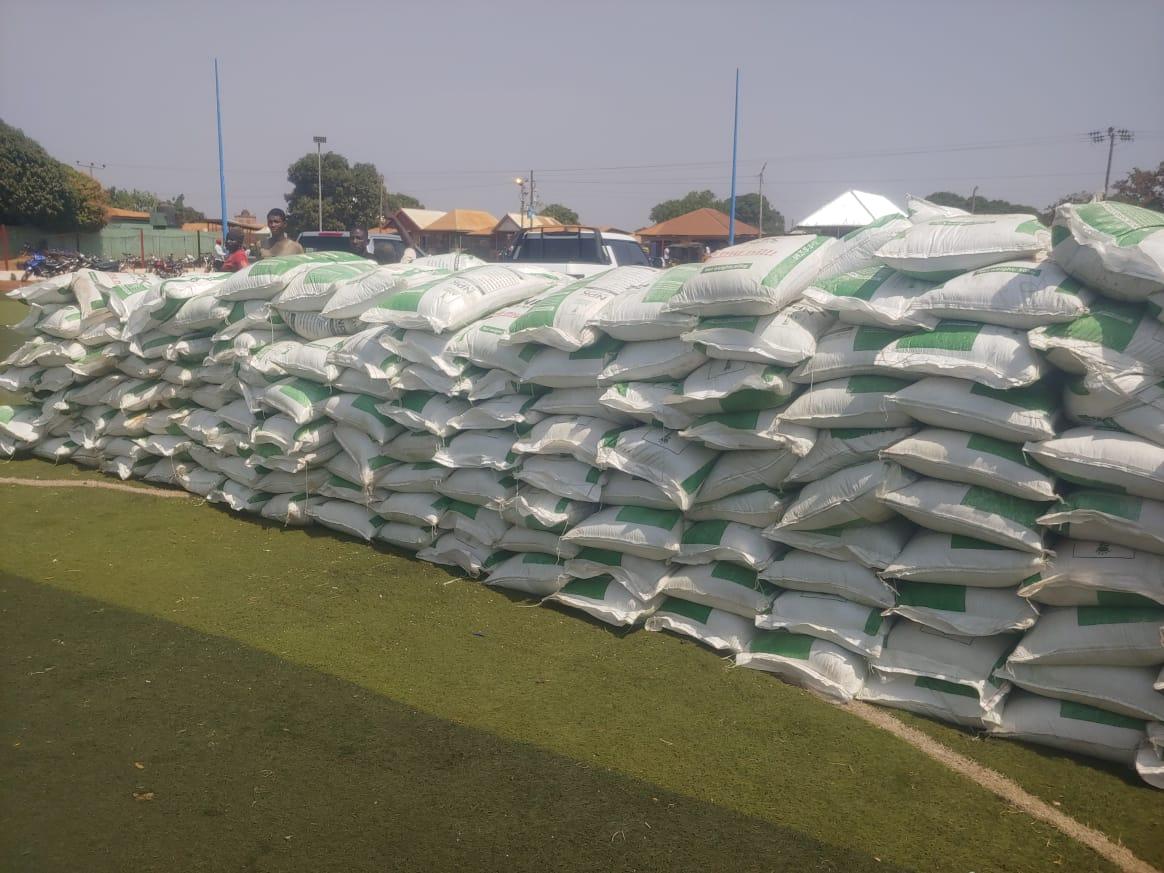
Salaga South MP Supports 400 Vulnerable Women with Fertilizer Donation
The Member of Parliament for the Salaga South Constituency, Hon. Zuwera Mohammed Ibrahimiah, in collaboration with the Sisters of JDM Foundation, has provided critical agricultural support to 400 vulnerable women in the constituency through the donation of fertilizers aimed at boosting farm producti

Man cries out over alleged wrongful eviction after court ruling in Adum
A man has expressed deep frustration after claiming he was wrongfully evicted following a court decision in Adum, a busy commercial area in Kumasi. In a video that has been circulating online, the man is seen emotionally reacting to the situation, insisting that the court ruling did not reflect the
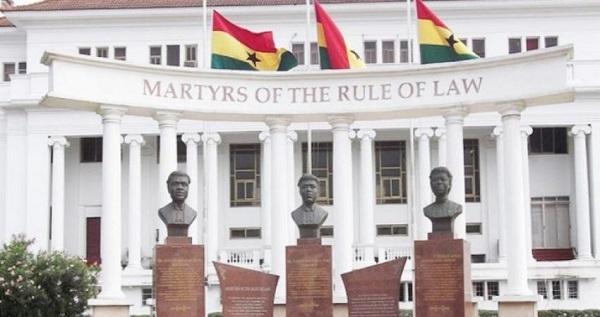
Supreme Court Orders Attorney-General to Produce Ghana–US Deportation Agreement
The Supreme Court of Ghana has ordered the Attorney-General to present the deportation agreement between the Government of Ghana and the United States for judicial review. The directive forms part of an ongoing legal challenge questioning the legality, transparency, and constitutional basis of the a