

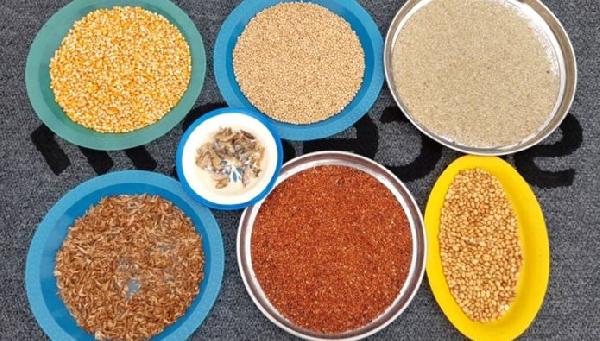
More than 30 percent of locally produced cereal products tested in Ghana have reportedly been found contaminated, according to a new report that has raised concerns among consumers and health observers.
The findings were based on laboratory tests carried out on 326 cereal samples collected from different locations. According to the report, a significant number of the products did not meet expected safety standards.
Officials indicated that the contamination involved harmful heavy metals. Cadmium was said to be the most common contaminant, while lead was also detected in some of the samples.
Cadmium accounted for the largest share of the failed tests, while lead represented a smaller but still concerning portion of the contaminated products.
Health experts often warn that repeated exposure to heavy metals through food can pose risks over time. Depending on the level and duration of exposure, such substances may affect organs and overall wellbeing.
Cereal products are widely consumed in Ghana and are often used as affordable meal options for adults and children. Because of this, any report involving contamination is likely to draw serious public attention.
The findings may place pressure on food producers, distributors and regulators to strengthen quality control measures across the supply chain.
Experts say contamination can occur at several stages, including farming, harvesting, storage, transport or processing. Polluted soil, unsafe water and poor handling practices are among the common causes often linked to such cases.
Consumer advocates say regular inspections and stronger testing systems are necessary to protect the public and maintain trust in locally manufactured food products.
The report may also affect confidence in some brands if clear action is not taken to address the problem and improve standards.
Many Ghanaians continue to support locally produced foods, but they also expect those products to meet proper health and safety requirements.
Observers believe the issue highlights the need for more education for food producers on hygiene, sourcing and safe processing methods.
They also argue that authorities should improve enforcement and make test results more transparent so consumers can make informed choices.
For households that rely heavily on cereal as part of daily nutrition, the news is likely to cause concern and prompt closer attention to product sources and packaging.
As public discussions continue, many people are calling for swift intervention to ensure cereals sold on the market are safe, reliable and fit for consumption.
Source: Thepressradio.com