

‘Napoli Treated Me Like a Dog’ – Osimhen Opens Up About Painful Experience in Italy
Nigerian international striker Victor Osimhen has made emotional and controversial revelations about his time at Italian football club Napoli, saying he felt deeply disrespected and mistreated during his stay with the club. The football star described his experience in harsh terms, stating that he w
Ogyem Solomon
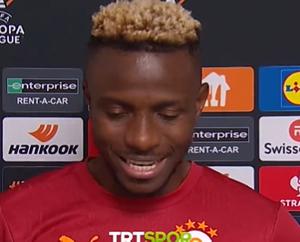
Nigerian international striker Victor Osimhen has made emotional and controversial revelations about his time at Italian football club Napoli, saying he felt deeply disrespected and mistreated during his stay with the club. The football star described his experience in harsh terms, stating that he was treated “like a dog,” a comment that has sparked intense reactions across the football world.
Osimhen, who rose to global prominence through his performances in European football, spoke candidly about the challenges he faced while playing in Italy. Despite achieving success on the pitch and becoming one of the most recognisable African footballers in Europe, the striker revealed that his relationship with the club and its environment was far from positive.
His comments highlight the emotional toll professional football can take on players, especially those navigating foreign cultures, intense media scrutiny, and pressure from fans and management. While Osimhen enjoyed moments of glory and success at Napoli, his recent remarks suggest that his personal experience behind the scenes was marked by frustration, disappointment, and emotional distress.
The striker’s statements have reignited discussions about player welfare, club management culture, and the treatment of African players in European football systems. Supporters and analysts alike have debated whether clubs do enough to protect players emotionally and mentally, not just physically and professionally.
Osimhen’s journey to stardom has not been easy. From humble beginnings in Nigeria to becoming a global football icon, his career has been built on resilience, discipline, and determination. His rise through European leagues made him a symbol of hope and inspiration for many young African footballers dreaming of international success.
However, his recent comments reveal that success does not always equal happiness. Behind trophies, goals, and fame, players often face isolation, cultural barriers, racism, pressure, and identity struggles. Osimhen’s story reflects a broader reality in professional football where athletes may appear successful publicly but suffer privately.
Following his departure from Napoli, Osimhen moved to Al-Hilal in Saudi Arabia, a transfer that marked a new chapter in his career. Many fans interpreted the move as both a professional and personal reset — an opportunity to escape a difficult environment and find renewed purpose and stability.
His comments have divided opinions among football supporters. Some fans sympathise with him, praising his courage for speaking openly about his experiences. Others argue that professional players should separate emotions from career obligations. Regardless of opinion, the conversation has highlighted the human side of football — reminding the world that players are not just entertainers but individuals with emotions and vulnerabilities.
Football analysts note that player-club relationships are becoming increasingly complex, driven by commercial interests, media narratives, and fan expectations. In such environments, emotional support systems are often overlooked, leaving players to cope alone with immense psychological pressure.
Osimhen’s remarks also raise important questions about how clubs manage diversity, inclusion, and player wellbeing. As football becomes more global, the need for cultural sensitivity, mental health support, and ethical management practices becomes increasingly important.
The controversy surrounding his comments may strain relationships with former fans and club supporters, but it also opens space for honest dialogue about respect, dignity, and humanity in professional sports.
Ultimately, Osimhen’s words reflect more than personal pain — they expose deeper structural issues within modern football systems. His story serves as a reminder that behind every football star is a human being who deserves respect, protection, and dignity.
As his career continues in a new environment, many supporters hope that Osimhen finds not only professional success but also peace, respect, and emotional stability. His courage in speaking out may inspire other players to share their experiences and push for healthier, more humane football cultures worldwide.
Source: Thepressradio.com
More Related Articles
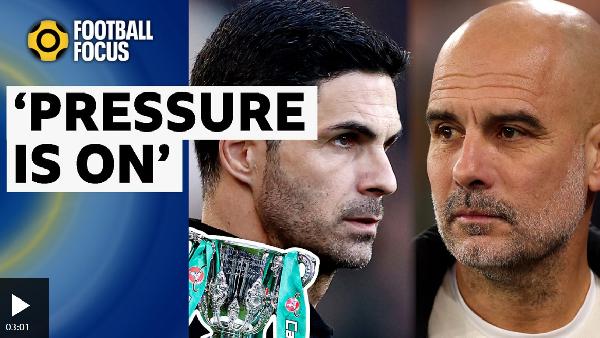
Who needs a Carabao Cup win more – Arteta or Guardiola?
As the Carabao Cup final approaches, the spotlight is on Mikel Arteta’s Arsenal and Pep Guardiola’s Manchester City, with fans and pundits debating which manager most needs a victory at Wembley. For Arteta, the stakes are particularly high. Arsenal have not won a major trophy since their 2020 FA Cup
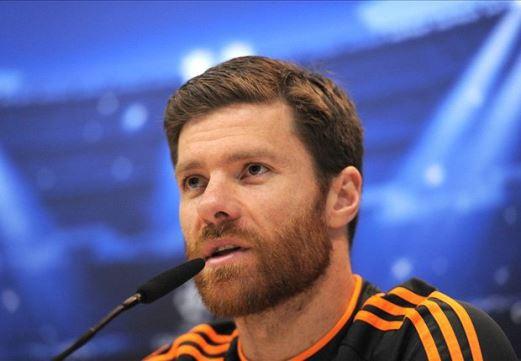
Xabi Alonso’s Spell at Real Madrid Ends After Mixed Results
Spanish football tactician Xabi Alonso has concluded his time as head coach of Real Madrid, bringing to an end a tenure marked by moments of promise and periods of inconsistency. Alonso exits the Santiago Bernabéu with a record of 24 wins, 6 defeats, and 4 draws, a run of results that has sparked de
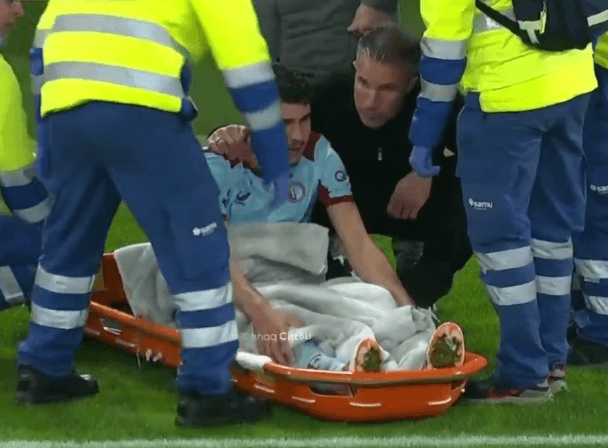
Robin van Persie Consoles Son After Career‑Ending Injury
Football legend Robin van Persie was captured in an emotional moment as he comforted his son following a career‑ending injury on the pitch, a scene that has since gone viral across social media platforms. The former Netherlands international, renowned for his successful spells at Arsenal, Manchester