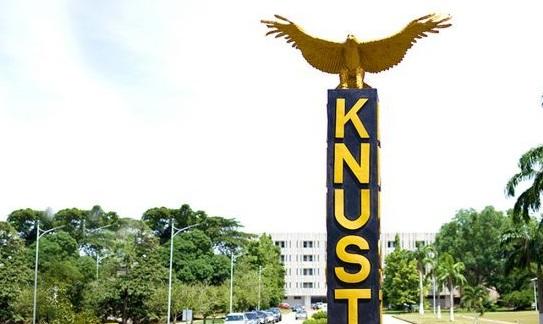

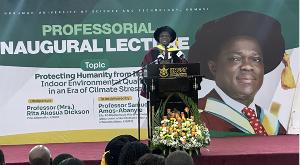
A new study conducted by the Kwame Nkrumah University of Science and Technology (KNUST) has revealed hidden health and safety challenges affecting workers in media stations across Ghana.
The research shows that many media environments expose staff to conditions that are often overlooked, including high noise levels, poor lighting, and uncomfortable working spaces that may affect both physical and mental well-being.
According to the findings, although media work is generally not seen as physically demanding, the conditions within studios and production rooms can lead to fatigue, stress, and reduced productivity over time.
The study further notes that continuous exposure to these environments may affect concentration levels, communication efficiency, and overall job performance among media personnel.
Researchers have called for urgent improvements in workplace design within media organisations to reduce these risks and promote safer working conditions.
They recommend better ventilation systems, improved lighting setups, and effective sound control measures to reduce noise pollution in studios and production areas.
The report also encourages media employers to conduct regular health checks and adopt ergonomic improvements to protect staff from long-term occupational health issues.
The findings add to ongoing discussions about workplace safety standards in Ghana’s creative and service sectors, where occupational health concerns are often not given enough attention.
Stakeholders have been urged to take proactive steps to improve working conditions and ensure better welfare for employees in the media industry.
Source: Thepressradio.com