

King Paluta Disputes Rex Omar’s Claim About Ghanaian Musicians’ Financial Struggles
Ghanaian rapper King Paluta has publicly refuted comments made by veteran musician Rex Omar, who previously suggested that many Ghanaian artists face significant financial challenges. Speaking on the issue, Paluta insisted that the local music industry offers profitable opportunities for artists who
Ogyem Solomon
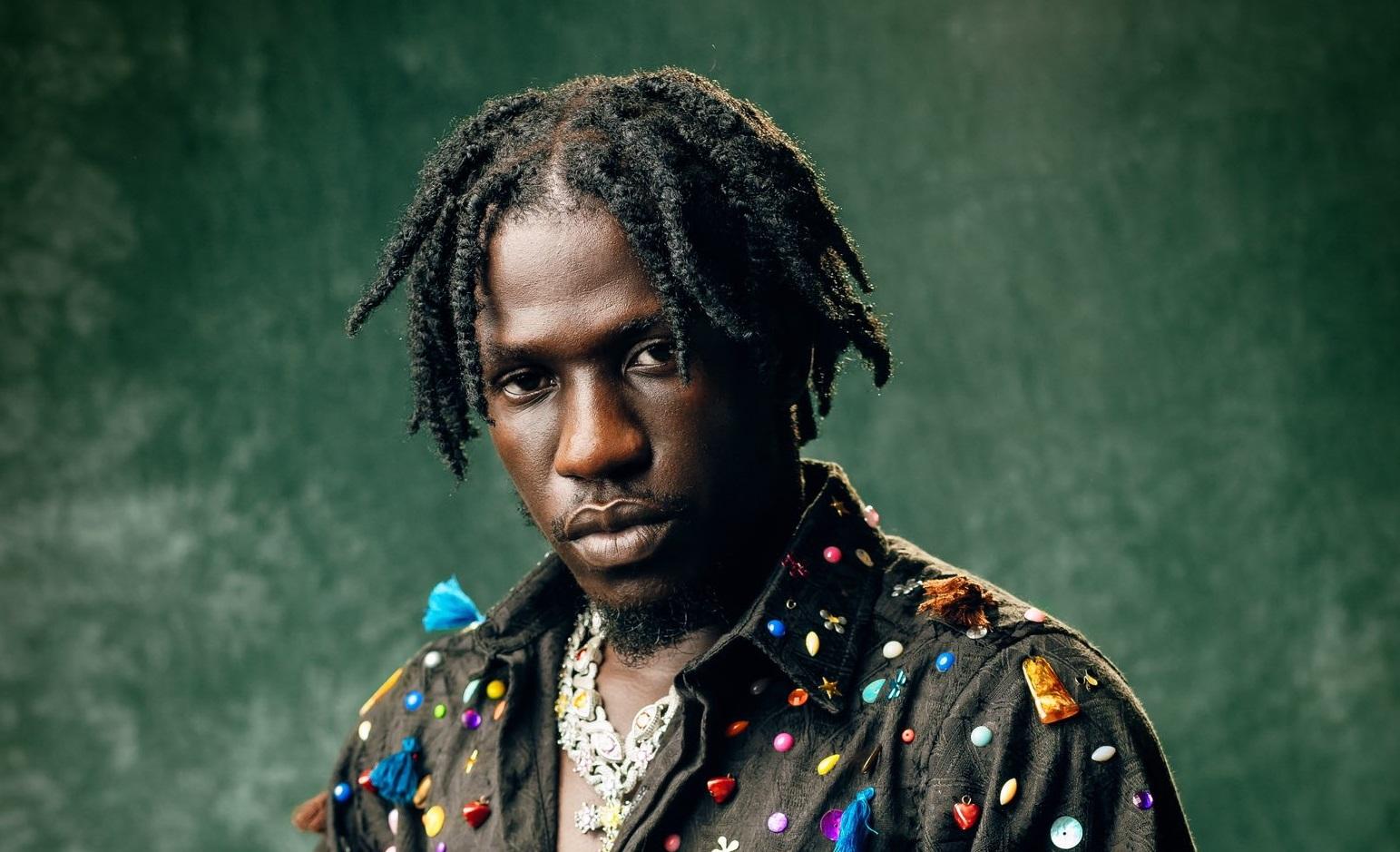
Ghanaian rapper King Paluta has publicly refuted comments made by veteran musician Rex Omar, who previously suggested that many Ghanaian artists face significant financial challenges. Speaking on the issue, Paluta insisted that the local music industry offers profitable opportunities for artists who are dedicated, disciplined, and strategically manage their careers.
Rex Omar’s statement had sparked widespread debate about the economic realities within Ghana’s entertainment sector, highlighting the perception that musicians often struggle to sustain themselves despite their popularity. While some observers agreed with Omar’s perspective, King Paluta argued that the situation is more nuanced and depends largely on how artists approach their careers.
According to Paluta, artists who invest in their brand, diversify revenue streams, and maintain strong engagement with fans are able to generate significant income from performances, endorsements, and digital platforms. He emphasized that financial struggles are not universal across the industry and that many musicians have successfully leveraged their talents to achieve economic stability.
The rapper also highlighted the importance of discipline, professionalism, and business acumen in navigating the modern music industry. He stressed that aspiring musicians must combine creative skill with strategic planning to take full advantage of the opportunities available.
King Paluta’s response has reignited conversations within Ghana’s entertainment community about the financial realities for creatives, the role of mentorship, and the need for artists to be business-savvy. Fans and industry stakeholders have shared mixed reactions online, with some praising Paluta’s candid perspective, while others maintain that challenges remain for emerging artists who lack resources and guidance.
Industry analysts note that Ghana’s music scene has evolved rapidly in recent years, with new revenue opportunities emerging through streaming platforms, brand collaborations, and international performances. However, disparities in income among artists remain, reflecting differences in exposure, management, and marketing strategies.
Paluta’s statement underscores a broader message to aspiring musicians: success in the music industry requires more than talent—it demands strategic planning, consistency, and a proactive approach to career development. His rebuttal of Rex Omar’s claim serves as both encouragement and a reality check for young artists navigating the competitive landscape of Ghanaian music.
As discussions continue, the debate around musicians’ financial stability highlights the ongoing need for support systems, education, and mentorship to help artists maximize their earning potential while sustaining their creative output.
Source: Thepressradio.com
More Related Articles
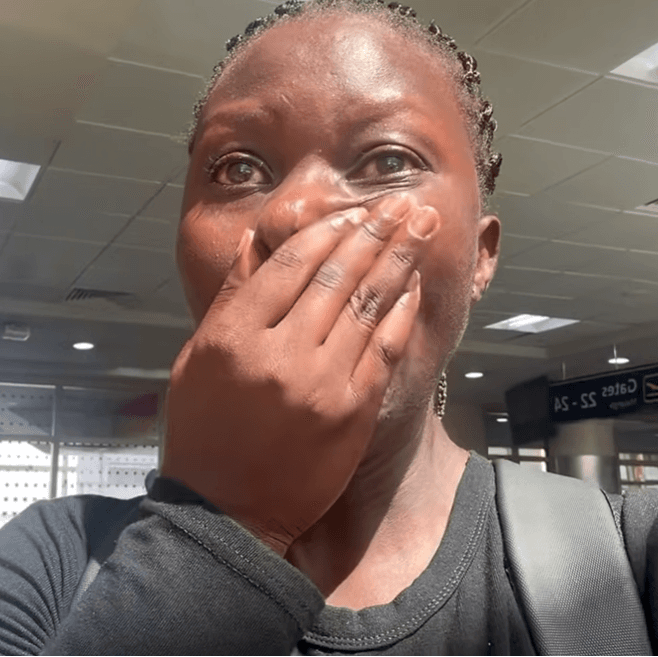
WATCH: Ghanaian Female Travel Creator Efyakimora Breaks Down After Losing Camera at Nairobi Airport
Ghanaian female travel content creator Efyakimora has been left devastated after losing her DJI Osmo Pocket 3 video camera while transiting through Jomo Kenyatta International Airport (JKIA) in Nairobi, Kenya. The incident occurred as Efya was traveling from Ghana to Namibia, with plans to continue

Beyoncé “Dead and Replaced” and Alkaline’s Eyeball Tattoo: Wild Music Myths That Shook Fans
The music world is no stranger to wild rumours and conspiracy theories, and recent reports highlight how some of these stories have captured fan imagination — from global icons to local stars. Two of the most talked-about cases involve international superstar Beyoncé and Jamaican dancehall sensation
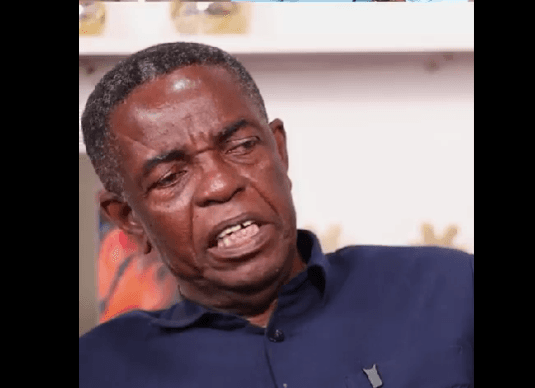
Kwesi Pratt Jr reveals he has been imprisoned 18 times
Veteran Ghanaian journalist and editor Kwesi Pratt Jr has disclosed that he has been to prison 18 times throughout his career, highlighting the challenges he has faced in defending press freedom and holding those in power accountable. Pratt made the revelation while discussing his experiences as an