

Huawei Highlights AI and Digitalization as Key to Power Grid Stability at MWC 2026
As global power systems face growing pressure from outages, renewable energy integration, and rising electricity demand, Huawei has emphasized the critical role of digitalization and artificial intelligence (AI) in ensuring grid stability and flexibility. In 2025 alone, more than 10 major power outa
Ogyem Solomon
As global power systems face growing pressure from outages, renewable energy integration, and rising electricity demand, Huawei has emphasized the critical role of digitalization and artificial intelligence (AI) in ensuring grid stability and flexibility. In 2025 alone, more than 10 major power outages disrupted electricity supply worldwide, affecting over 1.2 billion people and reinforcing the urgency of modernizing power infrastructure.
Speaking on the evolving challenges facing the energy sector, Jason Li, President of Global Marketing & Solutions at Huawei’s Electric Power Digitalization Business Unit, said stability remains a top priority for power companies, but it is no longer their only concern. The global push toward carbon neutrality is accelerating the adoption of renewable energy and electrification, introducing new complexities into power systems.
According to Li, the increasing integration of renewable energy sources and the emergence of unpredictable new loads demand a level of flexibility that traditional power grids were not designed to handle. “In the past, automation played a central role in addressing grid challenges,” he explained. “Looking ahead, power grids will evolve from basic transmission systems into active drivers of the energy transition. Digitalization and AI are no longer optional upgrades they are becoming essential components of core power generation and grid operations.”
Li added that the combination of digital technologies, telecommunications, and AI will redefine how power systems are designed and managed. By embedding these technologies deeply into power scenarios, grid operators can reshape production and operational processes to achieve both high stability and greater flexibility.
A major challenge highlighted by Huawei is the large-scale integration of distributed photovoltaic (PV) systems, energy storage solutions, and electric vehicle charging infrastructure. Increased user interaction and the potential for load-side transactions are placing additional strain on distribution networks, making it more difficult to maintain balance, security, and reliability.
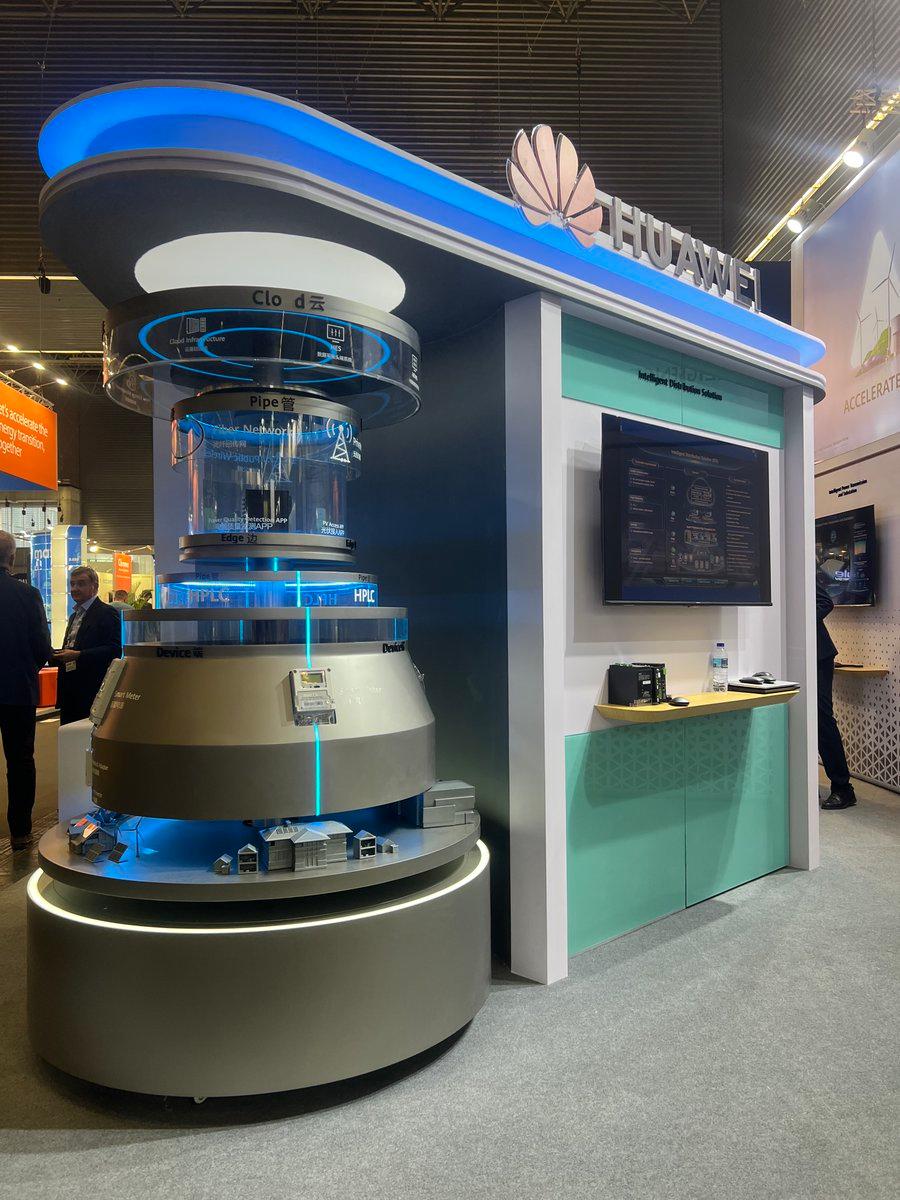
“The future breakthrough in power systems lies within the distribution network,” Li noted. “In particular, achieving transparency at the 400-volt low-voltage level is critical.” To address this challenge, Huawei and its partners have jointly developed the Intelligent Distribution Solution (IDS), designed to enable transparent management of low-voltage networks and improve visibility, control, and efficiency.
At Mobile World Congress (MWC) 2026 in Barcelona, Huawei will present its latest AI-driven innovations in power digitalization. These include advanced solutions for intelligent power distribution, smart substations, and automated power plant inspections, all aimed at supporting the digital transformation of the energy sector.
Industry stakeholders, policymakers, and technology partners are invited to explore Huawei’s power digitalization solutions at stand 1H50, Hall 1, Fira Gran Via, where the company will demonstrate how AI and digital technologies are shaping the next generation of resilient and sustainable power systems.
The issuer is solely responsible for the content of this announcement.
Source: Huawei
More Related Articles
What the United States (U.S.)-Venezuela Oil Shift Means for Caribbean Energy Markets
When the United States completed its first sale of Venezuelan oil this week, the $500 million transaction reopened a geopolitical channel that had been largely dormant for years, signaling that energy pragmatism is once again shaping Washington’s approach to the Western Hemisphere. Carried out under
Rosatom Showcases Innovative Nuclear Technologies at Africa Energy Indaba in South Africa
Rosatom representatives took part in the Nuclear Forum at Africa Energy Indaba in Cape Town, highlighting infrastructure development, human capital, and the localisation of nuclear projects across the African continent. On 5 March 2026 in Cape Town (Republic of South Africa), the Nuclear Forum broug

WATCH: Ghanaian Innovator Tyrone Marhguy Builds a CPU from Scratch
Ghana has produced yet another remarkable tech talent in the person of Tyrone Iras Marhguy, a young innovator who has captured global attention for building a fully functional central processing unit (CPU) from scratch. This extraordinary achievement highlights not only his technical expertise but a