
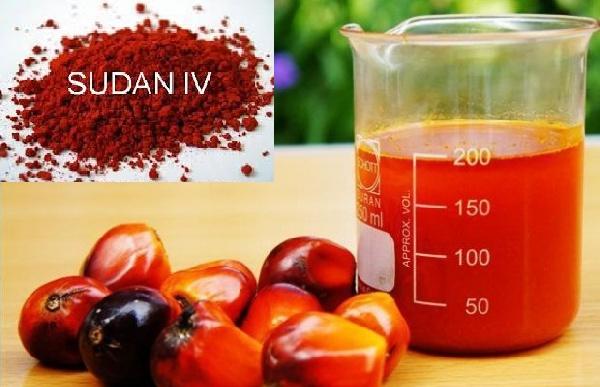
Concerns have been raised about the growing use of Sudan dye in Ghana’s palm oil market, with warnings that the illegal colouring substance poses serious risks to public health.
Sudan dyes are industrial chemicals that are not approved for use in food products due to their toxic and potentially cancer-causing properties. Despite this, they are reportedly used by some traders to enhance the reddish colour of palm oil to make it more appealing to buyers.
Health experts caution that consuming food contaminated with Sudan dye can expose individuals to harmful chemicals linked to long-term health complications, including cancer and genetic damage.
The issue of adulteration in palm oil has been reported in several markets, with concerns that some unscrupulous producers and sellers continue to prioritise profit over consumer safety by artificially enhancing the appearance of their products.
Regulatory bodies, including the Food and Drugs Authority (Ghana), have previously warned against the use of Sudan dye in food products and identified it as a persistent food safety challenge, especially in informal market settings.
Authorities have indicated that monitoring and enforcement efforts are ongoing to reduce the circulation of adulterated palm oil, but the practice remains difficult to eliminate completely due to its underground nature.
Consumers are being advised to be cautious when purchasing palm oil, especially products with unusually bright or artificially enhanced colouring, and to buy only from trusted and verified sources.
Food safety experts are also calling for stronger public education, stricter enforcement, and regular market inspections to help curb the practice and protect public health.
The situation has renewed concerns about food safety standards in local markets and the need for sustained regulatory action to ensure safer food consumption across the country.
Source: Thepressradio.com