

Government Confirms Eight Ghanaian Deaths in Burkina Faso Terror Attack, Issues New Travel Advisory
The Government of Ghana has confirmed that eight Ghanaian citizens have died following a terrorist attack in Titao, a town in northern Burkina Faso, marking one of the deadliest incidents involving Ghanaians in the region in recent years. The tragic development has prompted renewed security concerns
Ogyem Solomon
The Government of Ghana has confirmed that eight Ghanaian citizens have died following a terrorist attack in Titao, a town in northern Burkina Faso, marking one of the deadliest incidents involving Ghanaians in the region in recent years. The tragic development has prompted renewed security concerns and the issuance of a new travel advisory to protect citizens living in or travelling to high-risk areas.
According to the Ministry of Foreign Affairs, the victims were Ghanaian traders who were engaged in cross-border commercial activities when they were attacked by suspected extremist militants. The incident has shocked the nation and reignited conversations about the safety of Ghanaians operating in volatile regions across the Sahel.
The attack occurred in an area known for recurring extremist violence, where armed groups have targeted civilians, transport routes, and commercial activities. The victims were reportedly part of a trading convoy when they were ambushed, resulting in multiple fatalities and injuries. Some survivors managed to escape and later provided information to authorities to help reconstruct the events.
Following the incident, the Ghanaian government activated emergency diplomatic and security responses to assist victims and their families. Officials worked closely with local authorities in Burkina Faso to gather information, secure the area, and support the evacuation and medical care of survivors.
The death toll was confirmed at eight after one of the injured victims later succumbed to their injuries, intensifying national mourning and grief. Families of the deceased have been informed, and arrangements are being made for official processes, including identification, documentation, and support for repatriation where possible.
In response to the attack, the Ministry of Foreign Affairs issued a new travel advisory urging Ghanaians to exercise extreme caution when travelling within parts of Burkina Faso and other high-risk zones in the sub-region. Citizens were advised to avoid non-essential travel to areas with known security threats and to remain in close contact with Ghanaian diplomatic missions when abroad.
The government also called on Ghanaians engaged in cross-border trading and transport activities to take enhanced safety precautions and seek official travel guidance before embarking on journeys through high-risk routes. Traders were encouraged to use safer corridors and remain informed about security developments in neighbouring countries.
Officials described the attack as a senseless act of terror and reaffirmed Ghana’s commitment to protecting its citizens both at home and abroad. The government extended condolences to the families of the victims and expressed solidarity with the people of Burkina Faso, acknowledging the shared regional struggle against extremist violence.
The tragedy has renewed calls for stronger regional security cooperation among West African nations. Security analysts argue that the growing threat of extremism in the Sahel requires coordinated intelligence sharing, joint security operations, and unified border control strategies to protect civilians and commercial activities.
Civil society groups and trade associations have also called for better protection for traders who operate across borders, emphasizing that economic survival often forces individuals into high-risk environments without adequate protection or information.
Beyond the immediate human tragedy, the incident highlights the broader challenges facing regional integration and economic cooperation in West Africa. Cross-border trade is vital for livelihoods and food supply chains, but insecurity continues to undermine these economic lifelines.
As Ghana mourns the loss of its citizens, discussions around security, migration, and cross-border safety are expected to intensify. The government has reiterated its commitment to safeguarding Ghanaians abroad and strengthening diplomatic and security frameworks to prevent similar tragedies in the future.
The attack in Titao stands as a painful reminder of the dangers posed by extremist violence in the region and the urgent need for collective action to protect civilians, traders, and travellers across West Africa.
Source: Thepressradio.com
More Related Articles
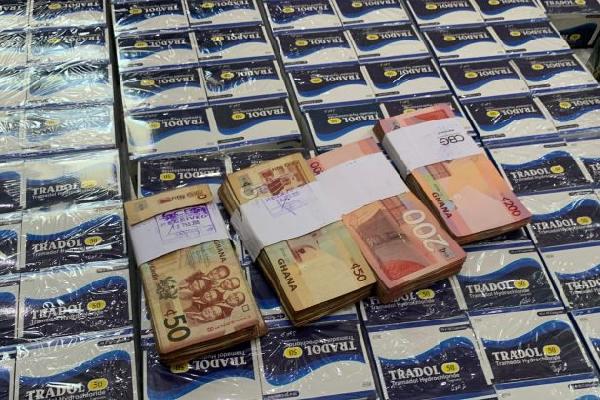
WATCH: Drug Syndicate Uncovered After GH¢50,000 Bribe Attempt on Ashanti South Police
A major criminal network suspected of trafficking illegal drugs has been exposed in the Ashanti Region after a failed attempt to bribe police officers with GH¢50,000. The incident, which occurred at the Tweapease Police Barrier, has led to the arrest of several suspects and the seizure of a large qu

Timber Monitoring Team Steps on Powerful Toes as Police Arrest Aide
An aide to the Director of the newly inaugurated National Timber Monitoring Team (NTMT), identified as Edem, has been arrested in what eyewitnesses described as a “Rambo-style” operation by the Tepa Police in the Ashanti Region. The arrest comes just days after the National Timber Monitoring Team wa
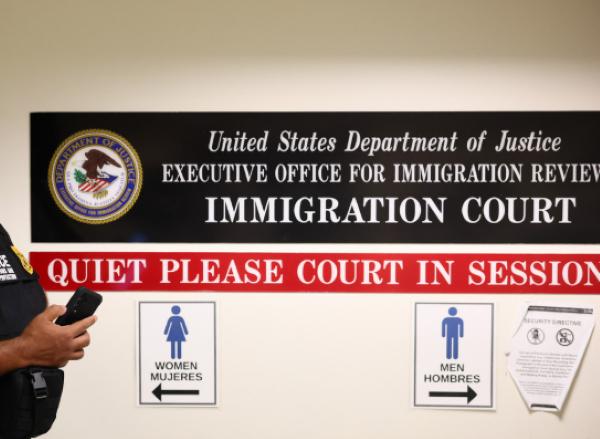
U.S. Judge Stresses Evidence Is Needed for Ken Ofori-Atta’s Extradition
A U.S. judge has emphasized that courts cannot act on mere assertions in Ghana’s extradition request for former Finance Minister Ken Ofori-Atta without clear evidence, highlighting the high legal standards required in extradition proceedings. The remarks came during a hearing on January 20, 2026, in