

Ghana’s Inflation Falls to 3.8% in January 2026, Marking Continued Economic Stability
Ghana’s inflation rate fell further in January 2026, dropping to 3.8 percent, according to the latest report from the Ghana Statistical Service (GSS). This marks the lowest inflation rate in recent years and reflects a continued easing of price pressures across the country. The January figure repres
Ogyem Solomon
Ghana’s inflation rate fell further in January 2026, dropping to 3.8 percent, according to the latest report from the Ghana Statistical Service (GSS). This marks the lowest inflation rate in recent years and reflects a continued easing of price pressures across the country.
The January figure represents a significant decline from 5.4 percent in December 2025, continuing a downward trend that has persisted for over a year. Analysts attribute the slowdown to improved supply conditions, moderated demand pressures, and softer commodity prices, which have collectively contributed to a more stable pricing environment.
Both food and non-food prices showed notable moderation. Food inflation, which impacts households most directly, fell to 3.9 percent, down from 4.9 percent in December, while non-food inflation also eased to 3.9 percent. The consumer price index (CPI) rose to 262.3 in January from 252.6 a year earlier, driving the year-on-year inflation rate to 3.8 percent.
Government Statistician Dr Alhassan Iddrisu highlighted that the continued decline in inflation is a positive signal for economic stability. He noted that the trend supports household purchasing power and offers businesses a more predictable environment for planning and investment.
Economists have welcomed the decline, pointing out that Ghana’s current inflation rate sits well below the Bank of Ghana’s target range of around 8 percent, providing policymakers with flexibility in monetary planning. While some regional disparities in price changes remain, the overall trend demonstrates strengthened price stability nationwide.
The continued disinflation also reflects broader improvements in fiscal management and supply chain conditions, which have helped temper the cost of living. Analysts believe that if the trend persists, it could enhance investor confidence and encourage domestic spending, further supporting economic growth.
Authorities have, however, urged vigilance, emphasizing the need to maintain fiscal discipline and prudent economic policies to ensure that the gains in inflation control are sustained.
Source: Thepressradio.com
More Related Articles

Hisense Ghana Unveils 116-Inch UX TriChroma RGB MiniLED TV on Onua Showtime
It was a night of spectacle, innovation and star power as Hisense Ghana officially unveiled its groundbreaking 116-inch UX TriChroma RGB MiniLED TV on Onua Showtime, hosted by celebrated media personality Nana Ama McBrown and award-winning musician Wendy Shay. Standing beside the elegantly co
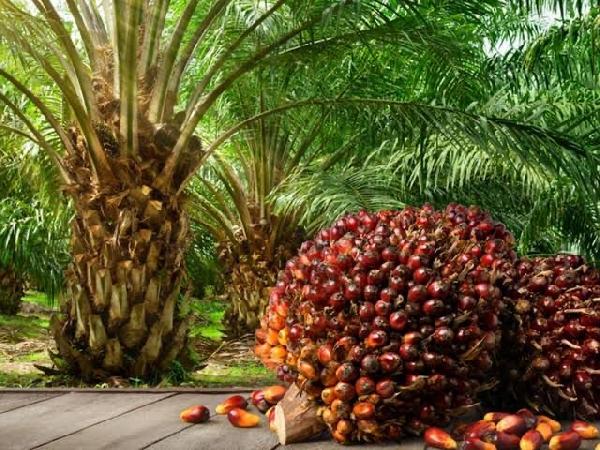
Mahama Pledges GH¢500 Million to Expand Oil Palm Production as TCDA Eyes GH¢12 Billion in Exports
Former President John Dramani Mahama has committed GH¢500 million toward expanding oil palm cultivation in Ghana, supporting efforts by the Ghana Palm Oil Development Company (TCDA) to dramatically increase export earnings from the sector. The funding commitment is part of a broader strategy to grow

Ghana Stock Exchange Market Capitalisation Hits GH¢251 Billion
The Ghana Stock Exchange (GSE) has recorded a significant milestone, with market capitalisation surpassing GH¢251 billion as of early March 2026. This new peak reflects strong investor confidence and continued growth in the local equities market. Market capitalisation measures the total value of all