

Ghana’s Cedi Among Top 10 Best-Performing African Currencies in 2026
Ghana’s Ghanaian Cedi has been recognized as one of the best-performing African currencies in 2026, ranking fourth among the continent’s strongest currencies so far this year. The ranking, published by GhanaWeb, highlights the resilience of several African economies amid global economic uncertaintie
Ogyem Solomon
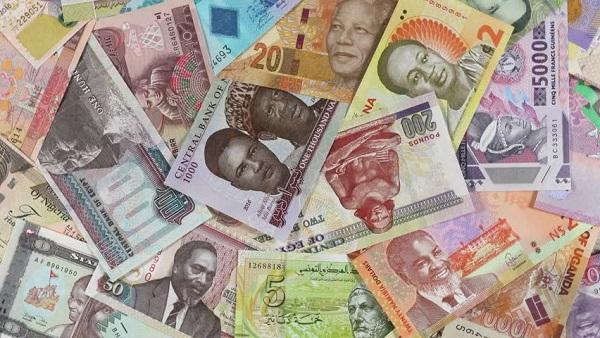
Ghana’s Ghanaian Cedi has been recognized as one of the best-performing African currencies in 2026, ranking fourth among the continent’s strongest currencies so far this year. The ranking, published by GhanaWeb, highlights the resilience of several African economies amid global economic uncertainties and currency fluctuations.
According to the report, African currencies have experienced a range of performances in 2026, influenced by factors such as inflation rates, trade balances, monetary policies, and foreign investment flows. The Ghanaian cedi’s strong showing signals growing confidence in the country’s economic fundamentals and a more stable outlook for businesses and consumers alike.
Economic analysts note that Ghana’s cedi has benefited from a combination of government interventions, improved revenue collection, and targeted fiscal policies aimed at stabilizing the currency. These efforts have helped shield the currency from extreme volatility and positioned it as one of the continent’s more resilient currencies.
Other African currencies making the top 10 list include those from countries with strong economic growth, export-driven sectors, and sound monetary management. These rankings are often used by investors and businesses to assess economic stability, plan trade operations, and gauge regional financial trends.
For Ghana, being ranked fourth among Africa’s best-performing currencies is a positive indicator for both local and international stakeholders. Importers and exporters can operate with greater certainty, foreign investors may view the country as a viable market, and citizens benefit from reduced inflationary pressures on essential goods and services.
The report also emphasizes that while the Ghanaian cedi has performed well, continuous monitoring and prudent economic management are critical to sustaining its strength. Experts warn that external factors, such as fluctuations in global commodity prices and international financial market trends, could influence currency stability in the coming months.
Financial institutions in Ghana have welcomed the recognition, noting that it reinforces confidence in the country’s economic strategy. Banks and forex traders see the cedi’s ranking as a sign that Ghana’s macroeconomic policies are yielding tangible results, providing reassurance to both corporate clients and retail customers.
The performance of the Ghanaian cedi in 2026 also underscores a broader trend in Africa where certain countries have successfully navigated economic challenges, demonstrating resilience amid global uncertainties. These success stories are increasingly attracting attention from international investors looking for stable African markets to engage with.
As Ghana continues its economic growth trajectory, maintaining a stable and strong currency will remain a key priority. Policymakers are expected to continue implementing strategies that enhance fiscal discipline, strengthen foreign exchange reserves, and encourage investment inflows—all measures that contribute to the continued performance of the cedi.
In conclusion, Ghana’s position among the top 10 best-performing African currencies is not only a reflection of sound economic management but also a signal of optimism for businesses, investors, and citizens alike. As the year progresses, the cedi’s resilience will be closely watched, with continued efforts expected to maintain its positive momentum.
Source: Thepressradio.com
More Related Articles
GRA Increases VAT Registration Threshold to Ease Pressure on Small Businesses
The Ghana Revenue Authority (GRA) has increased the Value Added Tax (VAT) registration threshold in a move aimed at reducing the tax burden on small and micro-scale businesses across the country. Under the revised policy, businesses will now be required to register for VAT only if their annual turno

Dr. Jones Ofori‑Atta: The Influential Economist and Father of Former Finance Minister Ken Ofori‑Atta
Dr. Jones Ofori‑Atta is widely recognized as one of Ghana’s most accomplished economists, academics, and public servants, leaving a lasting mark on the country’s economic and intellectual landscape. Beyond his own distinguished career, he is also known as the father of Ken Ofori‑Atta, Ghana’s former

Interior Minister Reports Terror Attack on Ghanaian Tomato Traders in Burkina Faso
The Muntaka Mohammed-Mubarak, Ghana’s Minister of the Interior and National Security, has confirmed that a truck carrying Ghanaian tomato traders was caught up in a terrorist attack in Titao, a town in northern Burkina Faso. The incident has raised serious concerns about the safety of cross-border t