

Dozens of Young Men Die During Traditional Circumcision Rites in South Africa
ragedy has struck in South Africa as dozens of boys and young men have reportedly died during traditional circumcision ceremonies, reigniting concerns over the safety of this cultural practice. The deaths, which occurred primarily in the Eastern Cape, highlight the ongoing risks associated with unre
Ogyem Solomon
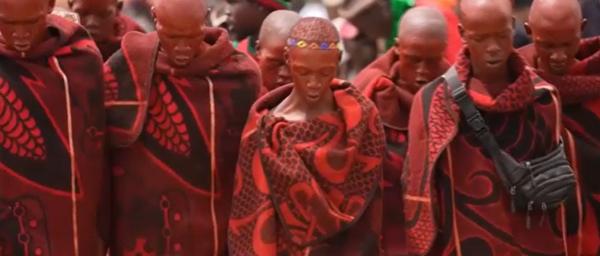
ragedy has struck in South Africa as dozens of boys and young men have reportedly died during traditional circumcision ceremonies, reigniting concerns over the safety of this cultural practice. The deaths, which occurred primarily in the Eastern Cape, highlight the ongoing risks associated with unregulated initiation rites.
Among the victims was 22-year-old Lamkelo Mtyho, who reportedly had no prior health issues before attending the ceremony. Families across the region have been left heartbroken as news of the fatalities spreads, underscoring the dangers faced by young men participating in these deeply rooted cultural traditions.
Traditional circumcision in South Africa, particularly in rural areas, is often conducted in secretive settings with little to no medical supervision. Many initiation schools operate far from hospitals, limiting access to emergency care and increasing the likelihood of preventable deaths. Common causes include infection, dehydration, septic wounds, and the use of unsanitary tools.
The South African government has established regulations and safety standards for initiation schools, requiring them to be licensed and adhere to health guidelines. Despite this, many illegal and unlicensed schools continue to operate, often due to cost and accessibility challenges. As a result, fatalities continue to occur each year, particularly during peak initiation seasons in the Eastern Cape.
Health officials and human rights advocates have repeatedly emphasized the urgent need for stricter oversight and education to protect initiates. They stress that cultural practices, while important for identity and tradition, must be balanced with the safety and well-being of young men. Efforts to integrate traditional rites with modern medical supervision have been suggested as a way to prevent further loss of life.
Communities and families are caught between preserving cultural heritage and facing heartbreaking consequences. The ongoing tragedies have prompted calls for leaders, health authorities, and traditional leaders to work together to implement safer practices, ensuring that young men can participate in initiation rites without risking their lives.
The recent fatalities serve as a stark reminder of the risks involved in unregulated traditional practices and highlight the need for urgent action to safeguard the health and future of South Africa’s youth.
Source: Thepressradio.com
More Related Articles
A Call For United African Front On Slavery and Reparations
One message stood out, one particular briefing gave clarity and hope for better days ahead. Africa, will be heard; willingly or unwillingly and the resolution thereof, will no longer be a hope for years to come, but a reality to actualise.At a press conference during the 39th AU Summit in Addis Ab

Johannesburg Residents Take to Streets Over Weeks of Water Shortages
Residents across Johannesburg, South Africa have staged protests after enduring weeks without running water, highlighting growing frustration over service delivery failures. Communities including Melville, Westdene, Parktown West, Ormonde, Winchester, and Crown Gardens have reported little to no wat

Qualities of Contemporary Leader: Adaptive Thinking, Collaborative Influence and Innovative Leadership
The Young African Leaders Initiative (YALI) is the United States’ signature step to invest in the next generation of African leaders. Since its establishment in 2010 by Obama administration, YALI has offered diverse opportunities, including academic training in leadership, governance skills, o