
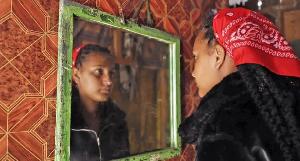
A deeply emotional revelation has emerged from Kenya involving children born near a British military base, who have finally uncovered the truth about their biological fathers after years of uncertainty and, in some cases, misinformation.
Several young people who were born around the British Army Training Unit in Kenya (BATUK) have discovered the identities of their British soldier fathers through DNA testing and legal investigations.
For many of the affected individuals, the discovery has been life-changing. Some of them were raised believing their fathers had passed away, while others were given little or no information about their parentage. In several cases, families had told the children that their fathers were dead, either due to lack of contact or unclear communication after the soldiers left the region.
The revelations came after a coordinated investigation involving DNA testing, legal procedures, and genealogical tracing. Experts used modern genetic technology to match children with potential relatives in the United Kingdom, which eventually led to confirmed paternity in multiple cases.
For some of the young people involved, the emotional impact has been significant. Many grew up without knowledge of their fathers, struggling with questions about identity and belonging. In certain communities, some also faced stigma or bullying linked to their mixed heritage and lack of parental clarity.
The process has been supported by legal professionals and advocacy groups working to help individuals establish biological connections and gain official recognition. In some confirmed cases, courts have legally established paternity, allowing the children to gain formal acknowledgment of their British soldier fathers.
However, the outcomes have varied. While some fathers have accepted responsibility and begun engaging with their children, others have been less responsive or have chosen to remain distant. A few have reportedly requested privacy or declined direct contact.
Despite these challenges, the development is being seen as an important step in addressing long-standing concerns surrounding children born in military communities abroad. It has also highlighted gaps in accountability and communication when military personnel are stationed overseas and form relationships with local communities.
The situation has sparked wider conversations about the responsibilities of soldiers deployed abroad, particularly regarding paternity, child welfare, and long-term support for children born under such circumstances. Advocacy groups have called for stronger systems to ensure that children are not left without identity, support, or recognition.
For many of those affected, however, the most important outcome is personal closure. After years of being told conflicting stories or growing up without answers, they are finally beginning to understand their origins and reconnect with their biological roots.
The case continues to draw attention to the emotional and legal complexities surrounding military deployments and family relationships formed in host countries, with calls for improved policies to prevent similar situations in the future.
Source: Thepressradio.com