

COCOBOD CEO Defends Leadership Amid Calls for Removal by Minority
The Chief Executive Officer of the Ghana Cocoa Board (COCOBOD) has strongly responded to calls by the Parliamentary Minority demanding his removal from office, describing the accusations as unfair and politically motivated. The Minority in Parliament recently called for the CEO’s dismissal, citing c
Ogyem Solomon
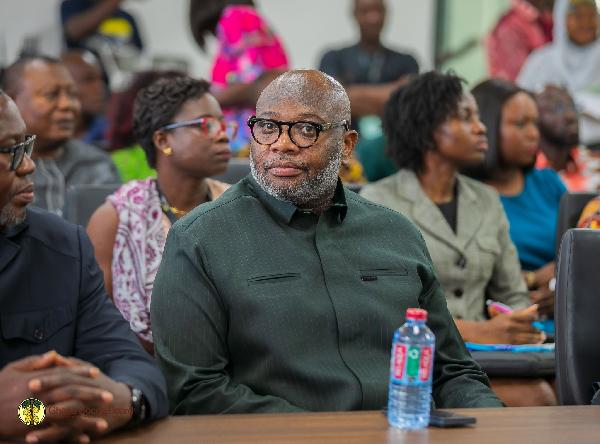
The Chief Executive Officer of the Ghana Cocoa Board (COCOBOD) has strongly responded to calls by the Parliamentary Minority demanding his removal from office, describing the accusations as unfair and politically motivated.
The Minority in Parliament recently called for the CEO’s dismissal, citing concerns over the management of the cocoa sector, particularly policies affecting cocoa farmers. Central to their criticism is the reduction in the cocoa producer price, which they argue will worsen the economic conditions of farmers and reduce their already limited earnings. According to the Minority, the current leadership of COCOBOD has failed to protect the interests of cocoa farmers and safeguard the sustainability of the cocoa industry.
In his response, the COCOBOD CEO rejected the claims, insisting that the decisions taken by the board were necessary and based on economic realities facing the sector. He explained that cocoa pricing is influenced by several factors, including global market trends, production costs, and sustainability challenges, and not solely by internal administrative decisions.
He further emphasized that COCOBOD remains committed to protecting farmers’ welfare, adding that the board’s policies are aimed at ensuring the long-term survival and stability of Ghana’s cocoa industry. According to him, while the current economic conditions are difficult, the measures being implemented are designed to prevent deeper financial challenges in the future.
The CEO also questioned the motives behind the Minority’s call, suggesting that the issue has been politicised rather than approached from a developmental and economic perspective. He stressed that leadership decisions should be guided by national interest and sector sustainability, not partisan pressure.
The debate has sparked public discussion across the country, especially among cocoa farmers, industry stakeholders, and policy analysts. Many farmers have expressed concerns about income stability and rising costs of living, while others believe structural reforms are necessary to protect Ghana’s position as one of the world’s leading cocoa producers.
As the controversy continues, stakeholders are calling for constructive dialogue between government, Parliament, and COCOBOD leadership to address the concerns in a transparent and inclusive manner. Analysts argue that beyond political disagreements, the focus should remain on developing policies that strengthen the cocoa sector, improve farmer livelihoods, and secure the future of Ghana’s cocoa economy.
For now, the COCOBOD CEO remains firm in his position, maintaining that his leadership and the board’s policies are focused on reform, sustainability, and the long-term benefit of cocoa farmers and the national economy.
Source: Thepressradio.com
More Related Articles

Oil Prices Surge to $90 Per Barrel Amid Israel–Iran Conflict
Global oil prices have jumped to approximately $90 per barrel as escalating hostilities between Israel and Iran fuel concerns over disruptions to crude oil supply and potential economic repercussions worldwide. The conflict, which has intensified in recent days, threatens stability in the Middle Eas

STC Online Booking Platform Down, Leaving Customers Stranded
Customers of Intercity STC, one of Ghana’s leading transport service providers, have been left frustrated after the company’s online booking platform went offline, disrupting travel arrangements and ticket purchases across the country. The unexpected system outage has created confusion and inconveni
Ghanaian Cedi Slips Marginally, Trading at GH¢10.97 per Dollar
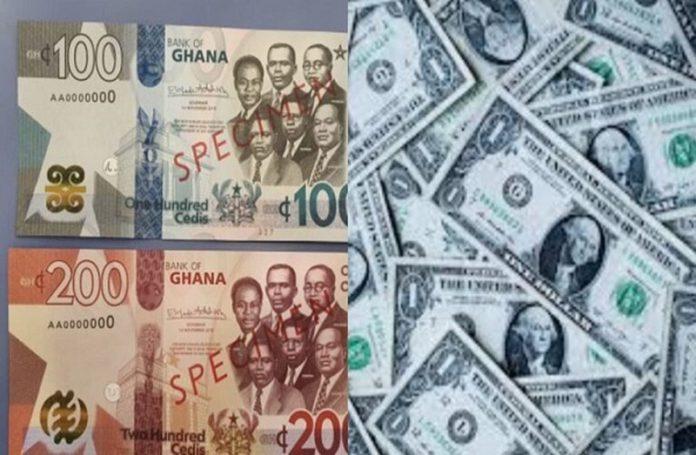
The Ghanaian cedi has experienced a slight depreciation against the US dollar, with the local currency now trading at GH¢10.97 on the Bank of Ghana’s interbank foreign exchange market. While the shift is marginal, it reflects ongoing pressures in the currency market and highlights the challenges the