

Breast Cancer Cases in Women Predicted to Rise by a Third Globally
Health experts have warned that breast cancer cases among women worldwide could increase significantly in the coming decades if stronger prevention and early detection measures are not implemented. According to recent global health research, the number of women diagnosed with breast cancer each year
Ogyem Solomon
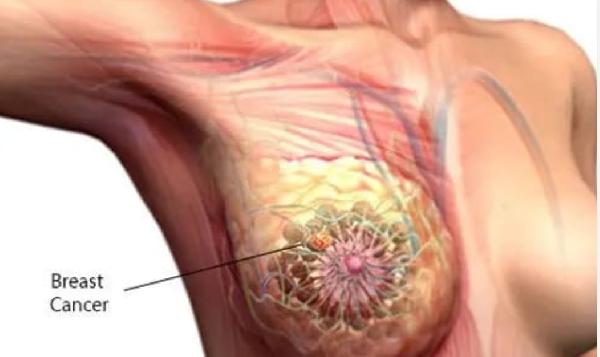
Health experts have warned that breast cancer cases among women worldwide could increase significantly in the coming decades if stronger prevention and early detection measures are not implemented.
According to recent global health research, the number of women diagnosed with breast cancer each year is expected to rise by about one-third by the year 2050. The projections indicate that annual cases could increase from roughly 2.3 million cases recorded in 2023 to about 3.5 million cases by mid-century.
Breast cancer remains the most commonly diagnosed cancer among women globally, and the rising numbers highlight the growing burden the disease may place on healthcare systems around the world.
In addition to the projected rise in new cases, the number of breast cancer-related deaths is also expected to increase significantly. Experts estimate that annual deaths could grow from around 764,000 currently to nearly 1.4 million by 2050, representing an increase of about 44 percent. Impact Expected to Be Greater in Developing Countries
Although breast cancer affects women in all parts of the world, researchers say the projected increase will likely have a more severe impact on low- and middle-income countries.
Many of these countries face major challenges in providing adequate cancer screening, diagnosis, and treatment services. Limited access to modern healthcare facilities often leads to late detection of the disease, which reduces the chances of successful treatment.
In contrast, wealthier nations generally have better screening programmes, improved medical technology, and greater access to specialised treatment. This allows many cases to be detected earlier, increasing survival rates.
Health experts warn that without major improvements in healthcare systems in developing regions, the gap in survival rates between high-income and low-income countries could continue to widen. Lifestyle Factors Linked to Breast Cancer
The study also highlights the role of lifestyle choices and health conditions that can increase a woman’s risk of developing breast cancer.
Researchers estimate that about 28 percent of breast cancer cases globally are linked to several modifiable risk factors. These include unhealthy lifestyle habits and certain medical conditions that may be preventable.
Some of the key risk factors identified include excessive alcohol consumption, smoking, obesity, high blood sugar levels, low physical activity, and high intake of red meat.
Health professionals say that addressing these factors through public education, improved nutrition, and healthier lifestyle choices could help reduce the number of future breast cancer cases. Rising Cases Among Younger Women
Another concern raised by researchers is the increasing number of breast cancer diagnoses among younger women, particularly those between the ages of 20 and 54.
Although breast cancer is still more common among women aged 55 and above, experts say cases among younger women have been gradually rising over the years. Changes in lifestyle, environmental factors, and reproductive patterns are believed to contribute to this trend. Call for Stronger Global Action
Medical experts are calling for greater global efforts to combat breast cancer, including expanded screening programmes, improved access to treatment, and stronger public health campaigns focused on prevention.
They stress that early detection remains one of the most effective ways to reduce deaths from breast cancer. When the disease is identified early, treatment options are often more successful and survival rates are significantly higher.
Researchers also emphasize the need for governments and health institutions to invest more in cancer care infrastructure, especially in countries where access to healthcare services remains limited.
With the number of cases expected to rise sharply in the coming decades, experts say coordinated global action will be essential to reduce the future impact of breast cancer and protect the health of millions of women worldwide.
Source: Thepressradio.com
More Related Articles
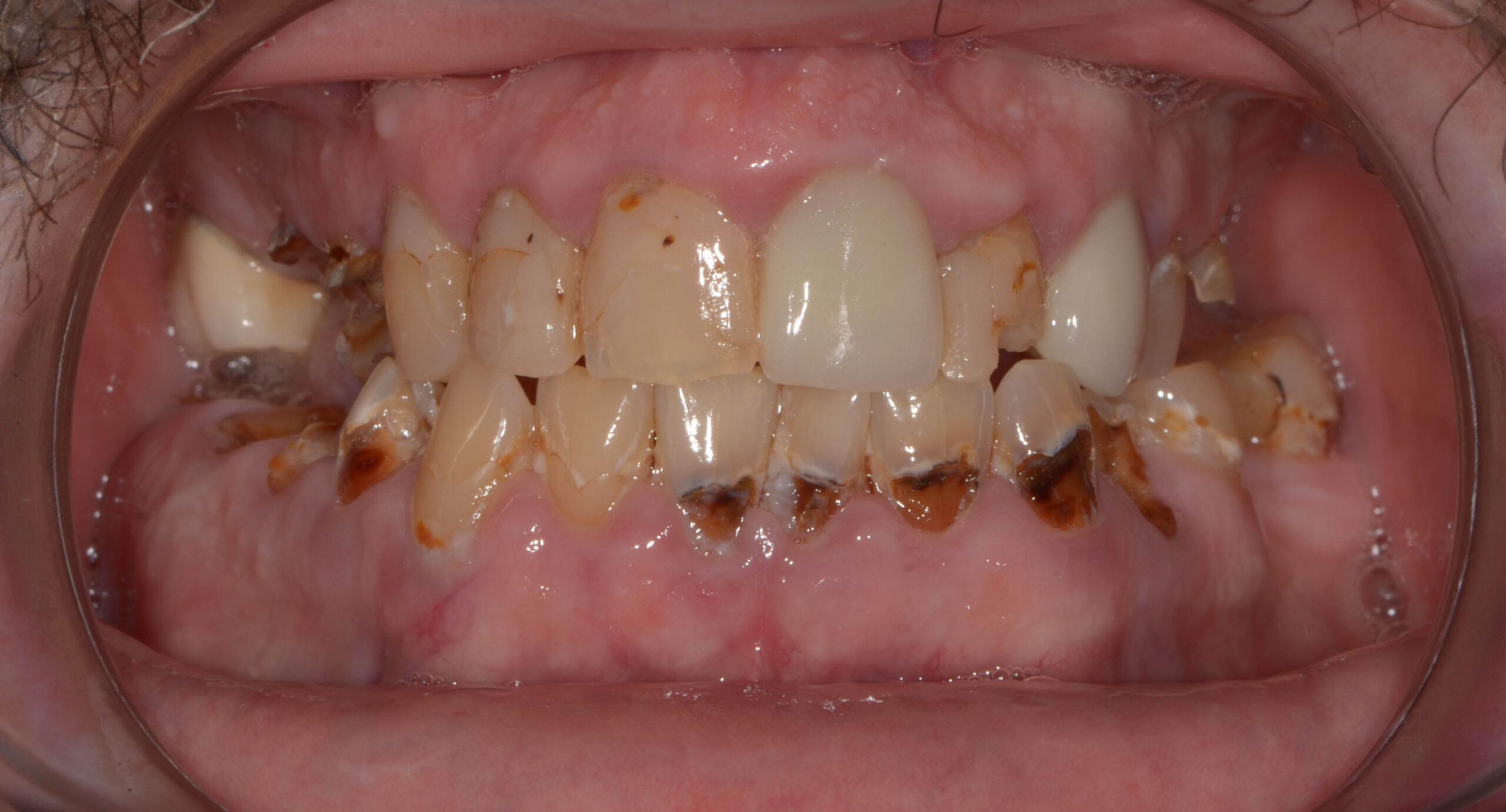
Rising Tooth Decay Among School Children Alarms Health Experts in Ghana
Health experts in Ghana are raising concerns over a noticeable increase in tooth decay among school-aged children, warning that poor oral hygiene and changing dietary habits are contributing to a growing public health issue. Reports indicate that dental decay is now affecting a significant number of

FDA Warns Youth Against Using Unapproved Aphrodisiacs
The Food and Drugs Authority (FDA) in Ghana has issued a strong warning to young people about the dangers of consuming unapproved aphrodisiacs, emphasizing that such products pose serious health risks. The agency’s caution comes amid increasing reports of young individuals using these substances in

VIDEO: Plantain Chips Seller Defends Using Plastic Bags in Frying, Sparks Debate
A Ghanaian plantain chips seller has caused a stir online after defending her practice of frying plantain chips with plastic bags. In a viral video, the vendor insisted that the method is safe and does not pose any health risk, sparking strong reactions from the public. In the video, the seller demo