

Bank of Ghana Withdraws Financing from GoldBod Under New Gold Policy
The Bank of Ghana (BoG) has announced a major shift in the funding strategy for the GoldBod programme, signalling a new phase in the country’s approach to gold policy. Under the updated policy framework, the central bank will no longer provide direct financing to GoldBod, marking a departure from it
Ogyem Solomon
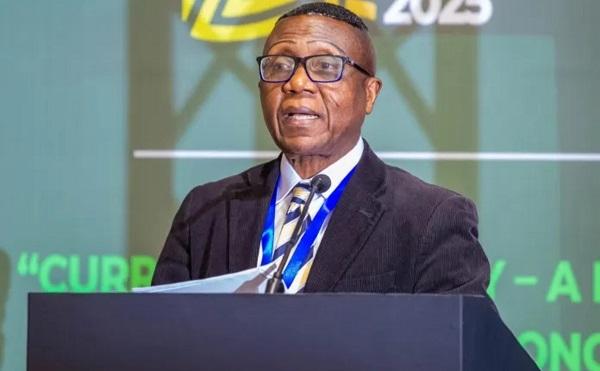
The Bank of Ghana (BoG) has announced a major shift in the funding strategy for the GoldBod programme, signalling a new phase in the country’s approach to gold policy. Under the updated policy framework, the central bank will no longer provide direct financing to GoldBod, marking a departure from its previous role in supporting the initiative. Instead, responsibility for funding will now rest primarily with the government, a move aimed at streamlining financial management and aligning the programme with national economic priorities.
GoldBod, which has been designed to enhance the gold sector in Ghana, previously relied on support from the Bank of Ghana for its operations. This support was intended to stimulate growth, encourage formalisation of the gold industry, and promote sustainable mining practices. However, as the sector evolves and the government introduces new regulatory measures, the central bank’s direct financing is being phased out to ensure that GoldBod operates under a more sustainable and accountable financial structure.
The decision reflects broader changes in Ghana’s gold policy, which aims to boost transparency, efficiency, and long-term development in the sector. By transferring the initial funding responsibility to the government, policymakers hope to strengthen oversight, enhance programme delivery, and ensure that GoldBod contributes meaningfully to national economic growth.
Officials from the Bank of Ghana and the Ministry of Finance have emphasised that this move does not signal a reduction in support for the gold industry. Rather, it represents a strategic reallocation of responsibilities, allowing the central bank to focus on its core mandate of financial stability and monetary policy. Meanwhile, the government’s involvement in financing ensures that the programme remains a priority within national development plans.
Experts in the mining sector have welcomed the new approach, noting that clear funding lines and defined responsibilities are essential for effective programme management. By separating the roles of the central bank and the government, the policy aims to reduce bureaucratic delays, improve accountability, and foster an environment conducive to investment and innovation in the gold sector.
The shift also underscores the government’s commitment to formalising the gold industry and creating a framework that encourages responsible mining practices. With the updated gold policy, programmes like GoldBod are expected to play a key role in promoting local value addition, enhancing revenue collection, and supporting small-scale miners who are integral to the industry’s growth.
In summary, the Bank of Ghana’s withdrawal of direct financing from GoldBod marks a pivotal step in Ghana’s gold policy reform. By positioning the government as the primary financier, the programme is set to operate within a more sustainable and accountable framework, ensuring that it continues to contribute effectively to the development of Ghana’s gold sector while supporting national economic objectives.
Source: Thepressradio,com
More Related Articles

WATCH: KIA Runway Expansion Begins After 30 Years as Ghana Upgrades Aviation Infrastructure
After nearly three decades of inactivity, the long-awaited runway expansion project at Kotoka International Airport (KIA) in Accra has officially begun, marking a major milestone in Ghana’s aviation and transport development. The project, led by the Ghana Airports Company Limited (GACL), represents

Gold Fields to Exit Damang Mine in Ghana by April 2026
Gold Fields, one of the world’s leading gold producers, has officially confirmed that it will exit operations at the Damang Gold Mine in Ghana by April 2026. The announcement marks a major shift in the company’s operations in West Africa and is expected to have significant implications for the local

Saudi Arabia’s Transformation Under Crown Prince Mohammed bin Salman Gains Global Recognition — Ghana Ambassador
Ghana’s Ambassador to Saudi Arabia, Alhaji Said Sinare, has commended the remarkable transformation underway in the Kingdom of Saudi Arabia under the leadership of Crown Prince Mohammed bin Salman Al Saud, noting that the reforms have strengthened international confidence in the country and position