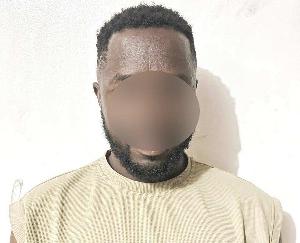


The Office of the Attorney-General's Department of Ghana has formally apologised to Frank Oliver Kpodo over an earlier claim that wrongly linked him to an alleged GH¢427 million payroll fraud case.
The apology came after it was established that information previously circulated regarding Kpodo’s supposed involvement in the matter was inaccurate. Authorities have since taken steps to correct the record and express regret over the error.
The development has attracted significant attention due to the seriousness of the earlier allegation and the potential reputational damage caused when individuals are connected to major financial misconduct cases.
Frank Oliver Kpodo previously served as Procurement Director at Ghana’s Ministry of Defence, a senior role involving procurement oversight and administrative responsibilities. Being publicly associated with a large-scale fraud allegation reportedly generated concern and public scrutiny.
Legal observers say the apology is an important step toward restoring fairness and acknowledging the need for accuracy when official institutions make public claims. Allegations involving fraud and corruption can carry lasting consequences, particularly when they are later found to be mistaken.
Analysts note that false accusations or administrative errors can affect a person’s reputation, emotional wellbeing, and professional standing. For that reason, formal corrections and apologies from state agencies are considered essential where mistakes occur.
Although the Attorney-General’s office did not immediately disclose how the erroneous claim arose, the apology suggests that a review of the facts or internal verification process later confirmed that Kpodo had been wrongly linked to the case.
The alleged GH¢427 million payroll fraud matter itself had drawn public interest because of the substantial amount involved. Cases of payroll fraud often relate to ghost names on payroll systems, unauthorised salary payments, or abuse of public funds.
Public reaction to the apology has been mixed. Some observers praised the Attorney-General’s office for publicly admitting the mistake and taking responsibility. Others questioned how such a significant allegation could have been made without complete verification.
Governance experts often emphasise the need for strong internal checks, evidence-based communication, and due diligence before institutions release names in sensitive criminal or financial matters.
They argue that public confidence in anti-corruption efforts depends not only on pursuing wrongdoing but also on ensuring fairness, professionalism, and factual accuracy throughout investigations.
The case also highlights the importance of the principle that allegations do not amount to guilt. Being named in an investigation does not automatically mean wrongdoing has been proven.
For Frank Oliver Kpodo, the apology may help repair public perception after the incorrect claim. However, some commentators note that reputational harm can continue even after official corrections are issued.
The Attorney-General’s office has not yet indicated whether any further review will be conducted into how the mistake occurred or whether additional clarifications may be provided.
As conversations continue, the incident serves as a reminder that accountability requires both the fight against corruption and the protection of individual rights through accurate and responsible public communication.


Source: Thepressradio.com