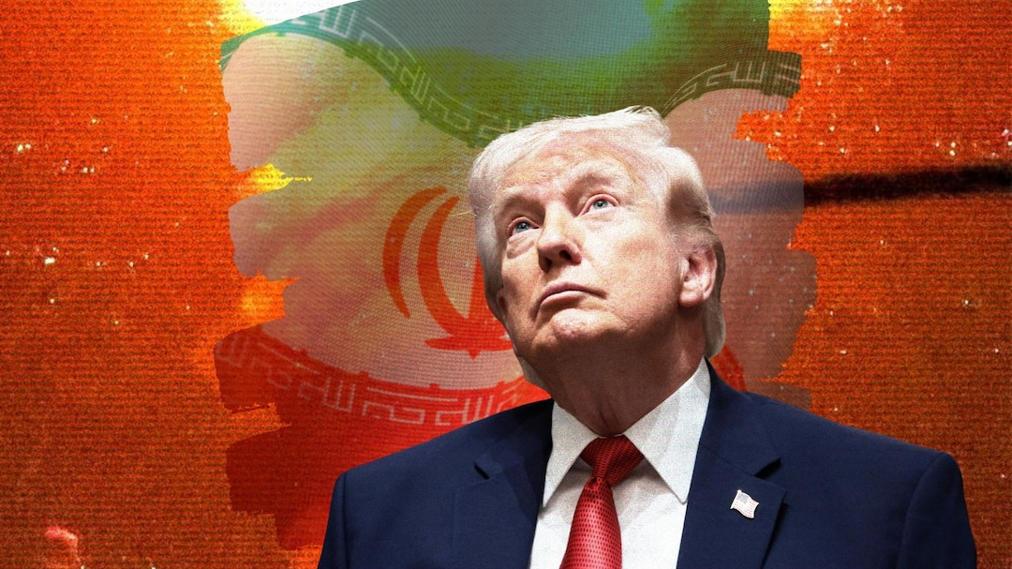

Concerns over possible market manipulation and the influence of political decisions on financial trading have resurfaced following renewed discussions about alleged insider trading suspicions linked to former U.S. President Donald Trump’s time in office.
Analysts and market observers have pointed to what they describe as unusual trading activity that appeared to coincide with major policy announcements during Trump’s presidency. These observations have reignited debates about whether sensitive political information may have indirectly influenced financial markets.
The suspicions stem from patterns reportedly identified around key moments when the former president announced significant policy decisions, particularly in areas such as international trade, tariffs, and global economic relations. These announcements often triggered immediate reactions across stock markets, commodities, and other financial instruments.
Some financial analysts argue that in certain cases, trading volumes increased shortly before major announcements were made public. This timing has raised questions among observers, who suggest that such movements could indicate that some investors may have had prior knowledge of upcoming decisions.
In several instances, markets experienced sharp fluctuations immediately after policy statements were released, leading to further scrutiny of trading patterns before those announcements. Analysts have described some of these movements as “unusual,” though they caution that market volatility alone does not prove wrongdoing.
Despite the concerns raised, there has been no formal confirmation or legal ruling establishing any insider trading connected to these suspicions. Authorities have not announced charges, and officials linked to the former administration have consistently denied any allegations of misconduct.
Experts in financial regulation also highlight the complexity of proving insider trading in cases involving government decisions. Unlike corporate insider trading, where confidential company data is clearly defined, political information often exists in a more public and speculative environment. Markets frequently react to rumours, media reports, and anticipated policy changes, making it difficult to determine whether trades were based on illegal insider knowledge or general expectations.
Economists further explain that global financial markets are highly sensitive to political developments, especially those originating from major economies like the United States. As a result, sudden market reactions to political announcements are not uncommon and may not necessarily indicate unethical behaviour.
Nevertheless, the discussions have contributed to ongoing debates about transparency, ethics, and regulation in the intersection between politics and financial markets. Some analysts argue that stronger safeguards may be needed to prevent any possibility of privileged access to sensitive information influencing trading decisions.
Others, however, caution against drawing conclusions without concrete evidence, emphasizing that market behaviour can be driven by a wide range of legal and legitimate factors.
For now, the issue remains speculative, with no official findings confirming wrongdoing. However, it continues to generate debate among financial analysts, policymakers, and observers about the need for clearer rules governing the relationship between political decision-making and market activity.
Source: Thepressradio.com