

10 Essential Things You Need to Know About Ramadan
Ramadan is one of the most important months in the Islamic calendar, observed by more than a billion Muslims worldwide. It is a period of fasting, reflection, prayer, and community, and it holds deep spiritual significance for Muslims of all ages. Whether you are observing Ramadan or simply curious
Ogyem Solomon
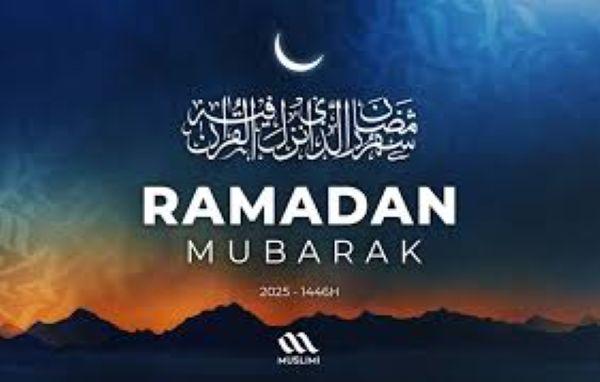
Ramadan is one of the most important months in the Islamic calendar, observed by more than a billion Muslims worldwide. It is a period of fasting, reflection, prayer, and community, and it holds deep spiritual significance for Muslims of all ages. Whether you are observing Ramadan or simply curious about its practices, here are ten essential things you need to know. 1. Ramadan Is the Ninth Month of the Islamic Calendar
Ramadan falls in the ninth month of the lunar Islamic calendar. Since the Islamic calendar is 10–12 days shorter than the Gregorian calendar, Ramadan moves earlier each year. This means it can occur in any season, from summer to winter, affecting the length of fasting hours. 2. The Month Begins with the New Moon
The start of Ramadan is determined by the sighting of the new crescent moon. In some countries, astronomers calculate the moon’s appearance, while in others, communities wait for direct visual confirmation. This lunar timing gives Ramadan a unique rhythm and variation every year. 3. Fasting Is Central to Ramadan
During Ramadan, most adult Muslims fast from dawn until sunset, refraining from food, drink (including water), smoking, and intimate relations. Fasting is one of the Five Pillars of Islam and is considered an act of worship, self-discipline, and spiritual growth. 4. Fasting Encourages Spiritual and Personal Growth
Beyond abstaining from food and drink, fasting is meant to cultivate patience, self-control, empathy for the less fortunate, and mindfulness of God. Many Muslims use Ramadan to increase acts of charity, prayer, and reading of the Qur’an. 5. Suhoor and Iftar: Meals That Mark the Day
Muslims begin their fast with a pre-dawn meal called suhoor and break the fast at sunset with iftar. Traditionally, iftar begins with dates and water, followed by a larger meal shared with family and friends. These meals also reinforce community bonds. 6. Charity and Giving Are Emphasized
Ramadan places strong emphasis on helping the needy. Muslims are encouraged to give generously, with Zakat al-Fitr being a mandatory almsgiving at the end of Ramadan. This ensures that all members of the community can celebrate the festival of Eid al-Fitr with dignity. 7. Exceptions Exist for Those Who Cannot Fast
Certain groups are excused from fasting, including pregnant or breastfeeding women, the elderly, the sick, and travelers. Those unable to fast due to legitimate reasons are often expected to make up missed days later or offer compensation through charity known as fidyah. 8. Special Nights and Extra Prayers
The last ten nights of Ramadan are considered particularly sacred. Among them is Laylat al-Qadr, the “Night of Power,” believed to be the night when the Qur’an was first revealed. Many Muslims spend these nights in additional prayers, recitation of the Qur’an, and reflection. 9. Ramadan Ends with Eid al-Fitr
The conclusion of Ramadan is marked by Eid al-Fitr, a festive holiday featuring communal prayers, family gatherings, and celebratory meals. Eid also involves giving charity to the poor and vulnerable, reaffirming the spiritual lessons learned during Ramadan. 10. Ramadan Promotes Community and Compassion
Perhaps most importantly, Ramadan is a time of unity and social responsibility. Communities often organize shared iftar meals, support charitable initiatives, and focus on strengthening bonds with family, neighbors, and the wider community.
Source: Thepressradio.com
More Related Articles
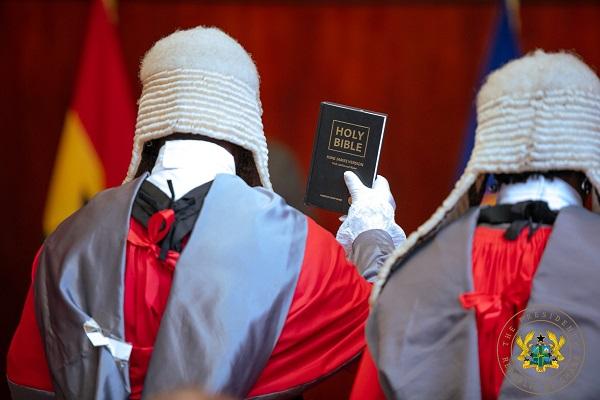
Minority in Parliament Issues Stern Warning to Chief Justice and Supreme Court Judges
The Minority caucus in Ghana’s Parliament has issued a strong public warning to Chief Justice Paul Baffoe-Bonnie and other judges of the Supreme Court, raising concerns about what it describes as troubling actions by the country’s highest judicial body. The warning, delivered on Monday, January 26,
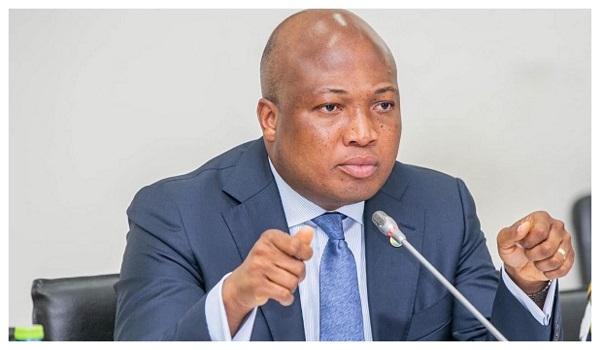
Ablakwa Explains Why Mahama Travelled to Dubai Summit on a Private Jet
Ghana’s President, John Dramani Mahama recently travelled to a global summit in Dubai, sparking public curiosity over his choice to use a private jet. In response, Samuel Okudzeto Ablakwa, former Member of Parliament and current Minister of Foreign Affairs, provided clarification regarding the
IGP Orders Probe into Alleged GH¢400,000 Mobile Money Withdrawal by Police Officers
The Inspector-General of Police (IGP), Dr. George Akuffo Dampare, has directed a full investigation into allegations that some police officers were involved in the withdrawal of GH¢400,000 from the mobile money account of an agent in Kibi in the Eastern Region. The directive comes after a video circ