
US reports identified Ghana as major drug transit point under NPP – Julius Anthony

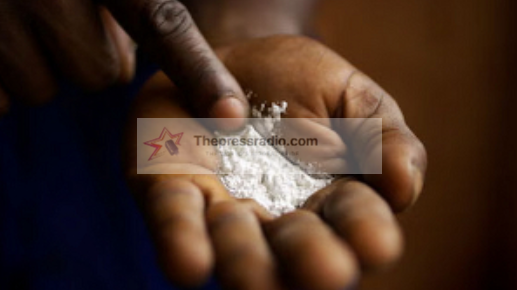
Julius Kwame Anthony, Press Secretary and spokesperson for Ghana’s Ministry of the Interior, has cited United States government reports in arguing that Ghana was identified as a major transit and destination point for illicit drugs during the previous New Patriotic Party (NPP) administration.
Anthony made the comments during an interview on TV3’s New Day, as debate over drug trafficking and recent drug seizures in Ghana intensified.
According to Anthony, US reports covering developments in 2022 and 2024 identified Ghana as a country used as a transit point for illegal drugs, including cocaine and heroin.
He said a 2025 US State Department report, which reviewed developments in Ghana during 2024, described the country as a major transit point for heroin and cocaine shipments destined for other parts of Africa, Europe and the United States.
Anthony also referred to an earlier US report covering developments in 2022, saying the document identified Ghana as both a transit and destination point for illicit drugs originating from parts of Asia, South America and other African countries.
The Interior Ministry spokesperson used the reports to challenge what he described as a partisan approach to discussions surrounding Ghana’s drug situation.
He argued that the issue should be treated as a national security and public-interest matter rather than being reduced to political exchanges between the governing National Democratic Congress (NDC) and the opposition NPP.
Anthony said recent drug seizures should therefore be considered within the broader history of drug trafficking in the country.
He called on the NPP to approach the matter from what he described as a nationalistic perspective and said the government was willing to engage the opposition on measures to combat the illegal drug trade.
The government spokesperson also indicated that he was prepared to make the documents he referenced available for public scrutiny.
Anthony further raised questions about the role of the Narcotics Control Commission (NACOC) in Ghana’s ports.
He referred to a directive issued in 2018 which, according to him, resulted in NACOC being removed from routine inspections at the country’s ports.
He questioned the implications of that decision for Ghana’s efforts to detect and prevent the movement of illegal drugs through the country’s major entry and exit points.
The comments come amid heightened public discussion about drug trafficking, following a number of seizures and investigations involving suspected narcotics shipments.
Ghana’s location along major international trade routes has long made the country vulnerable to attempts by international criminal networks to use its territory as a transit point.
Security and law enforcement agencies have therefore continued to conduct operations aimed at intercepting illegal drugs and investigating individuals and networks suspected of facilitating their movement.
Anthony’s comments have also added a political dimension to the ongoing discussion, as the NDC government and the NPP exchange arguments over the record of successive administrations in tackling drug trafficking.
While Anthony cited US reports to support his position, his interpretation of those reports is part of the political debate and should be distinguished from the underlying findings of the US documents themselves.
He maintained that the focus should remain on strengthening Ghana’s institutions and improving coordination among agencies responsible for combating drug trafficking.
He further urged stakeholders to prioritise the national interest and work toward preventing Ghana from being used as a route for international narcotics trafficking.
Source: Thepressradio.com